The Leipzig-based artist Emanuel Mathias observed researchers observing monkeys in Gabon. Now he has transformed Galerie Intershop into his own research station.
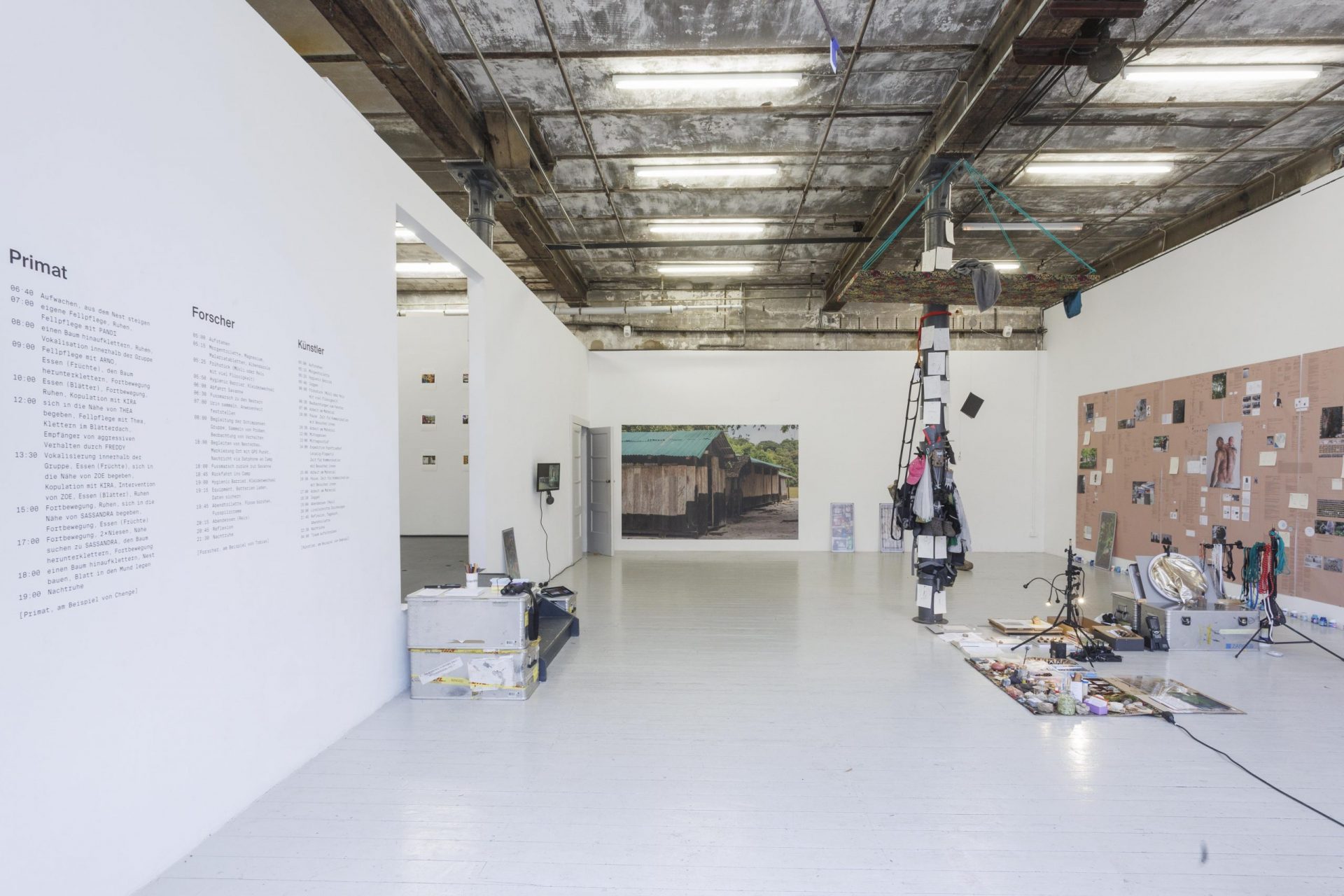
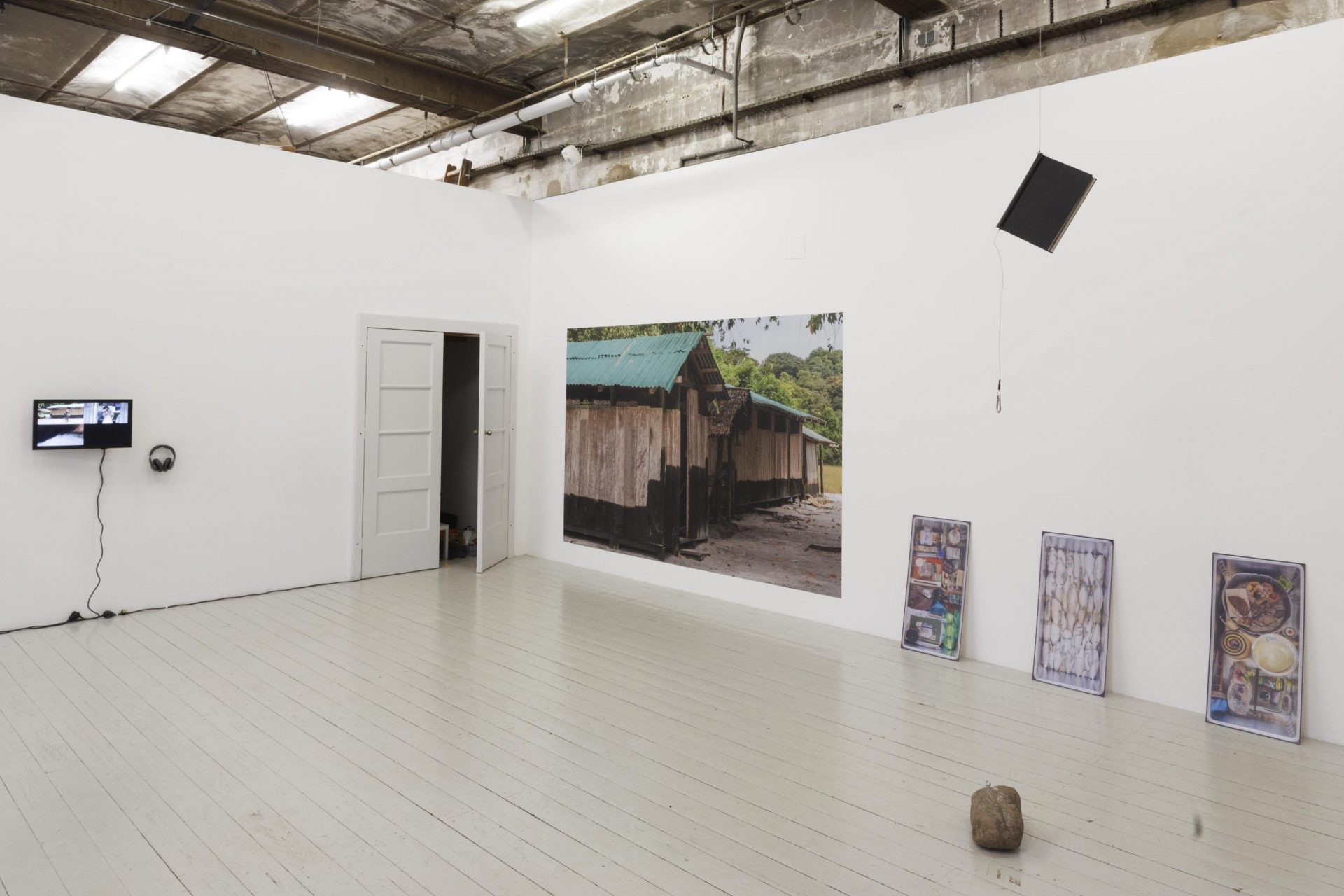
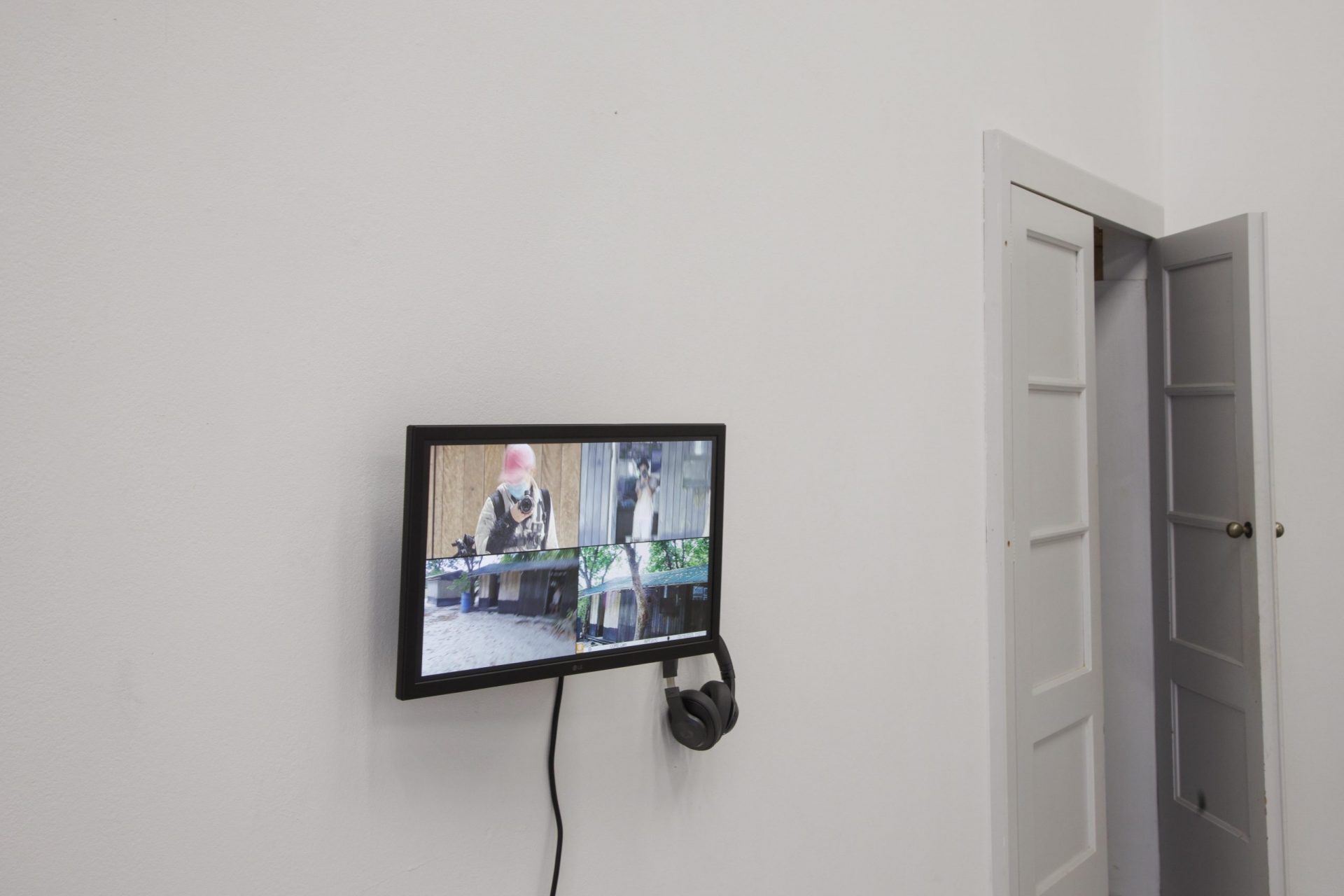
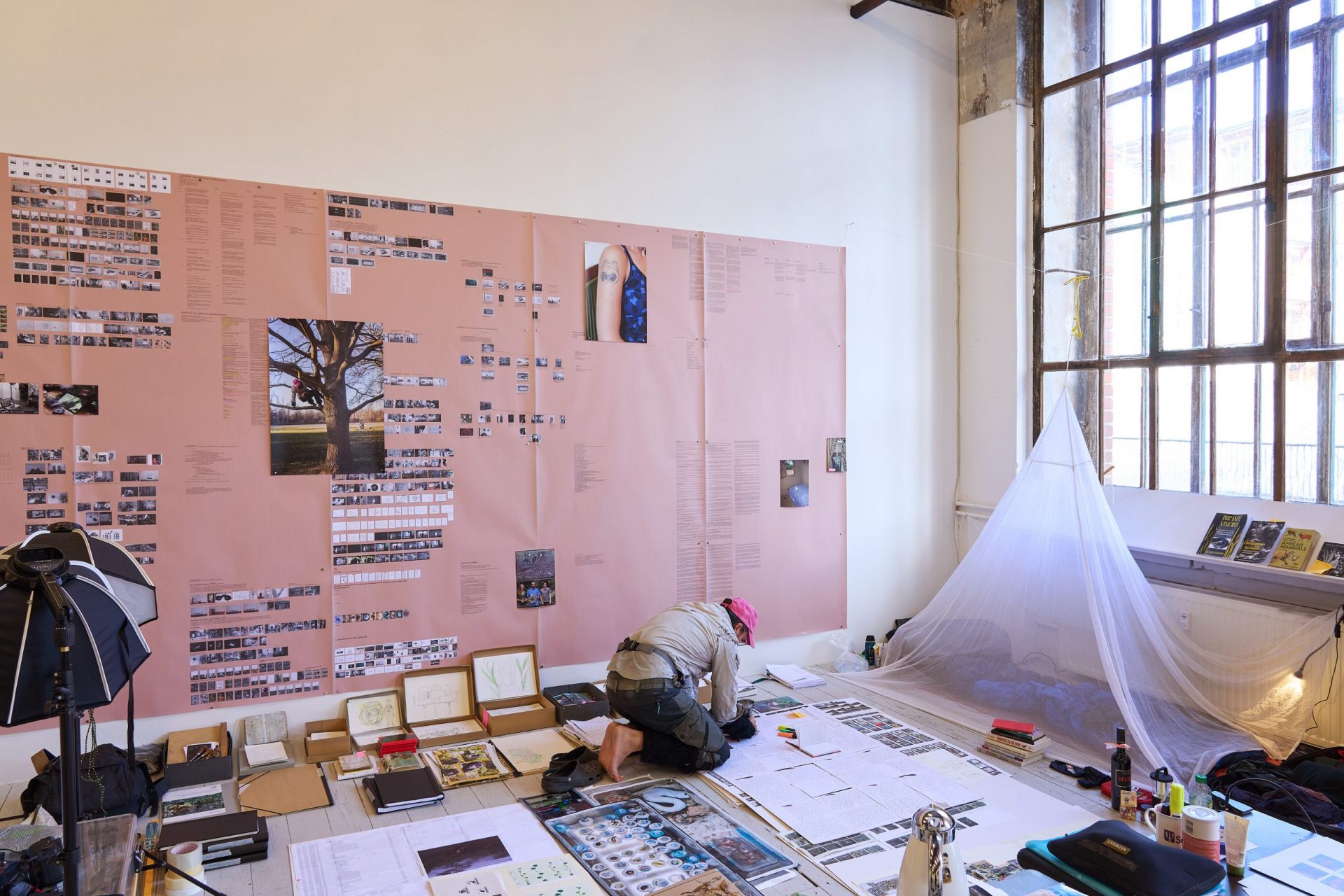
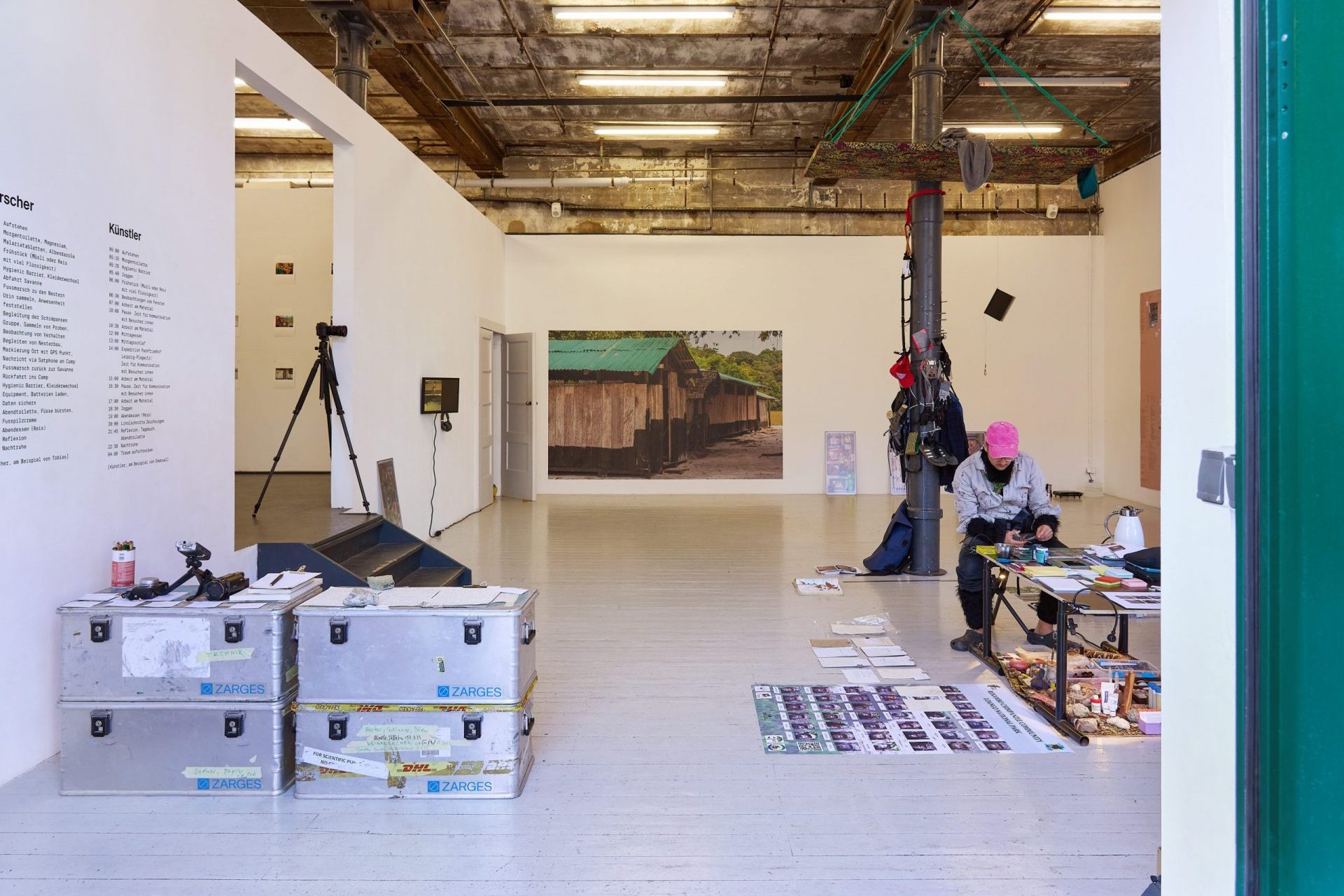
The door is open. Jungle sounds drift through the space—chirping crickets, occasional thunder, something indefinable. An eight-hour audio track from the rainforest in Gabon, West Africa. Emanuel Mathias has turned the Intershop gallery at the Spinnerei into an artistic research station: an exciting, confusing web of relationships with himself at its center. Or are the researchers at the center—the ones he observed as they observed chimpanzees?
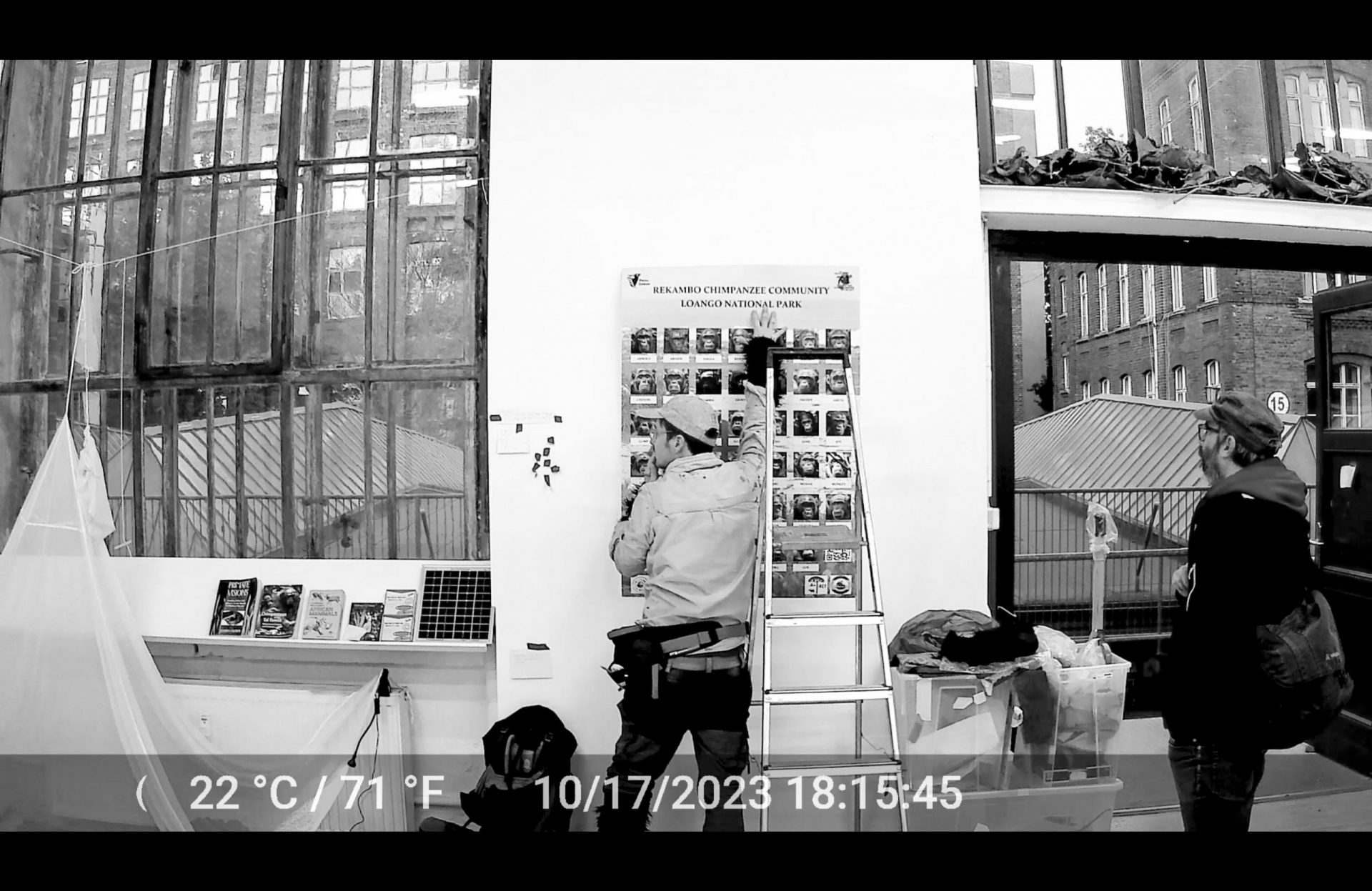
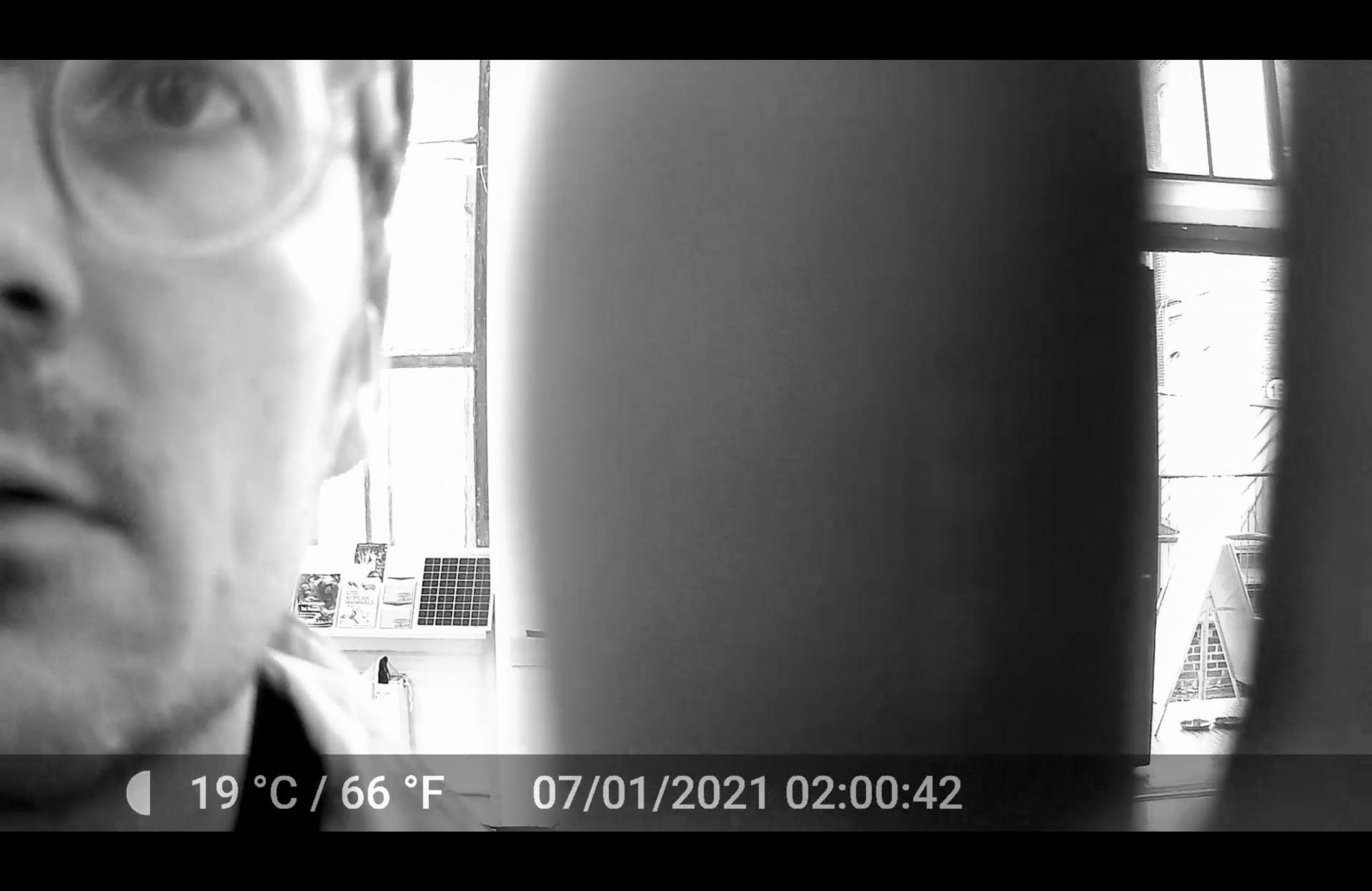
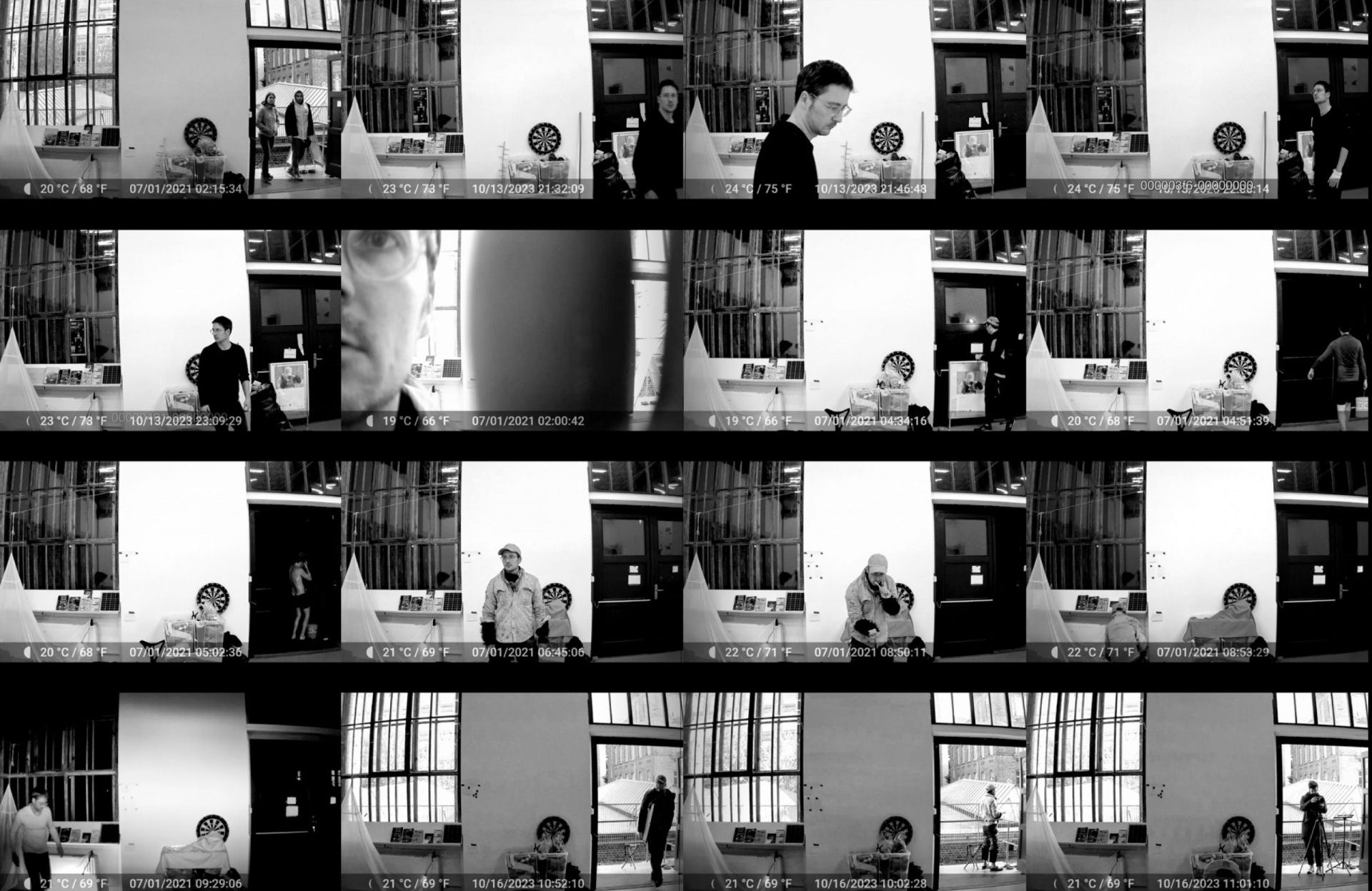
For six years, Mathias had already engaged with the research conducted at the Max Planck Institute for Evolutionary Anthropology in Leipzig. In March, supported by the Cultural Foundation of the Free State of Saxony, he was finally able to visit the primate researchers in Loango National Park in Gabon. The exhibition, on view until Saturday, issomething like an artistic interim report. Observers observing how an observer observes observers. One of the guiding motifs of his work is the examination of observation itself. It takes years, Mathias explains, until the apes grow accustomed to the researchers and behave as if they were not there. This theme unfolds on multiple levels throughout the exhibition. For one week, he himself became the one being observed.
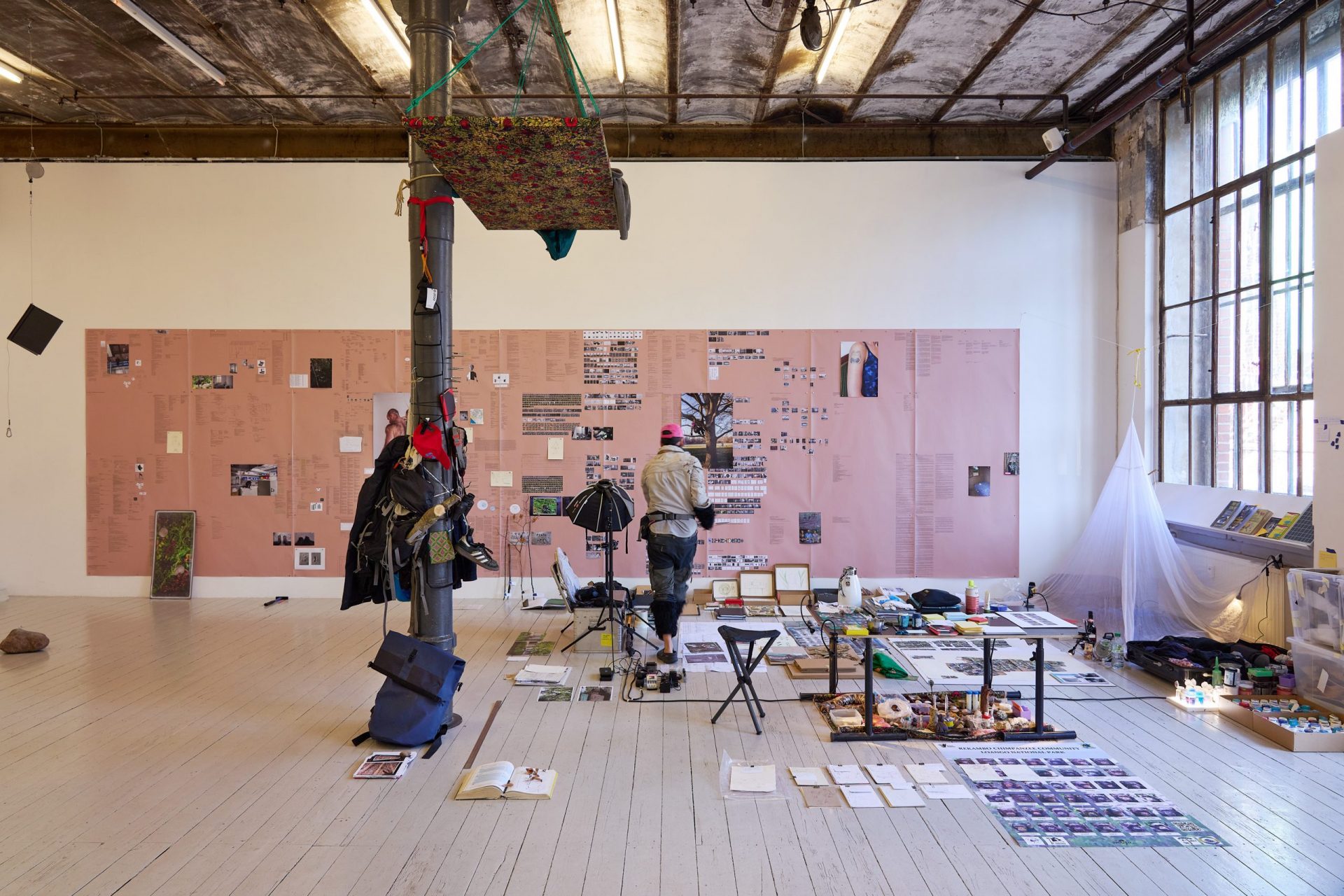
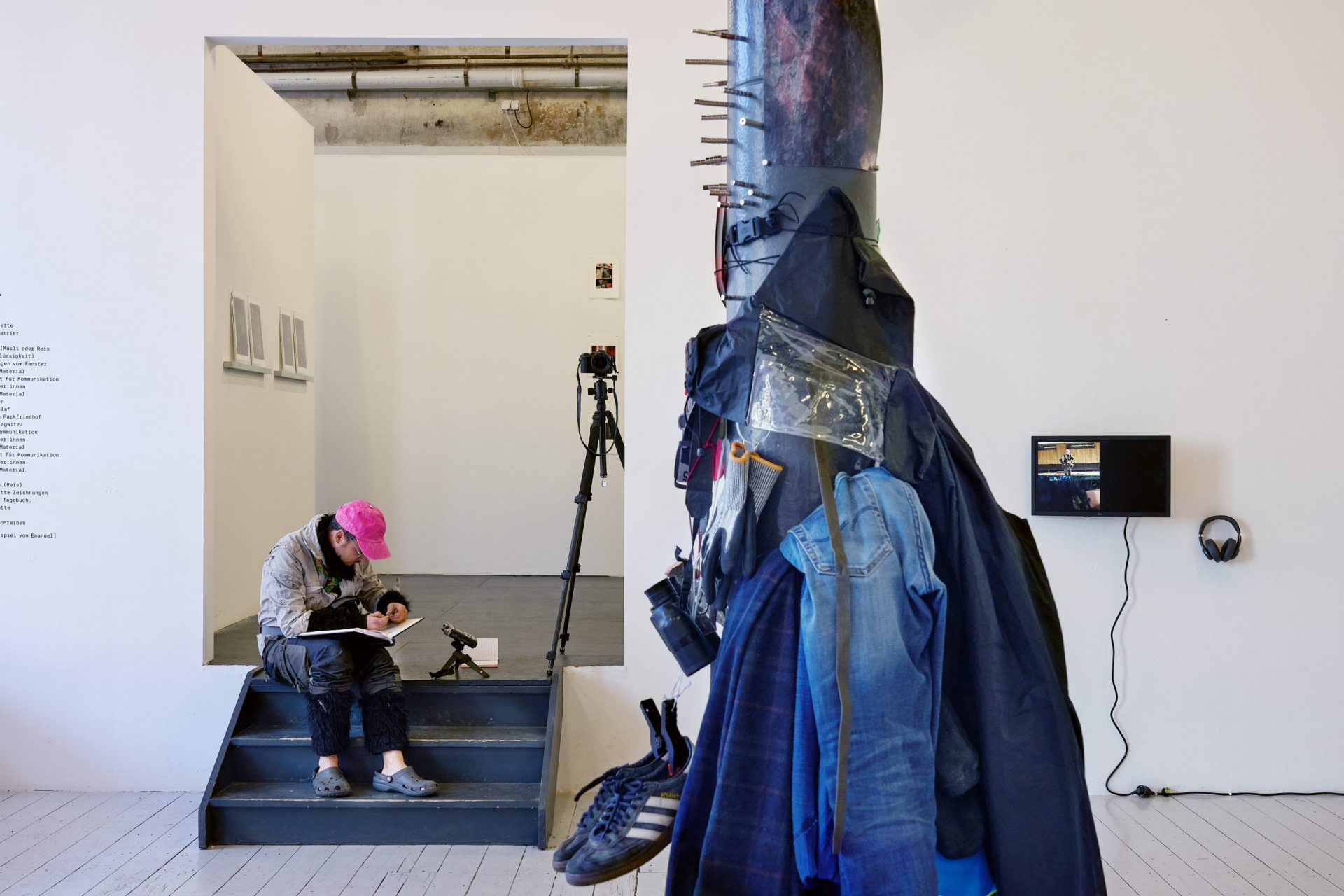
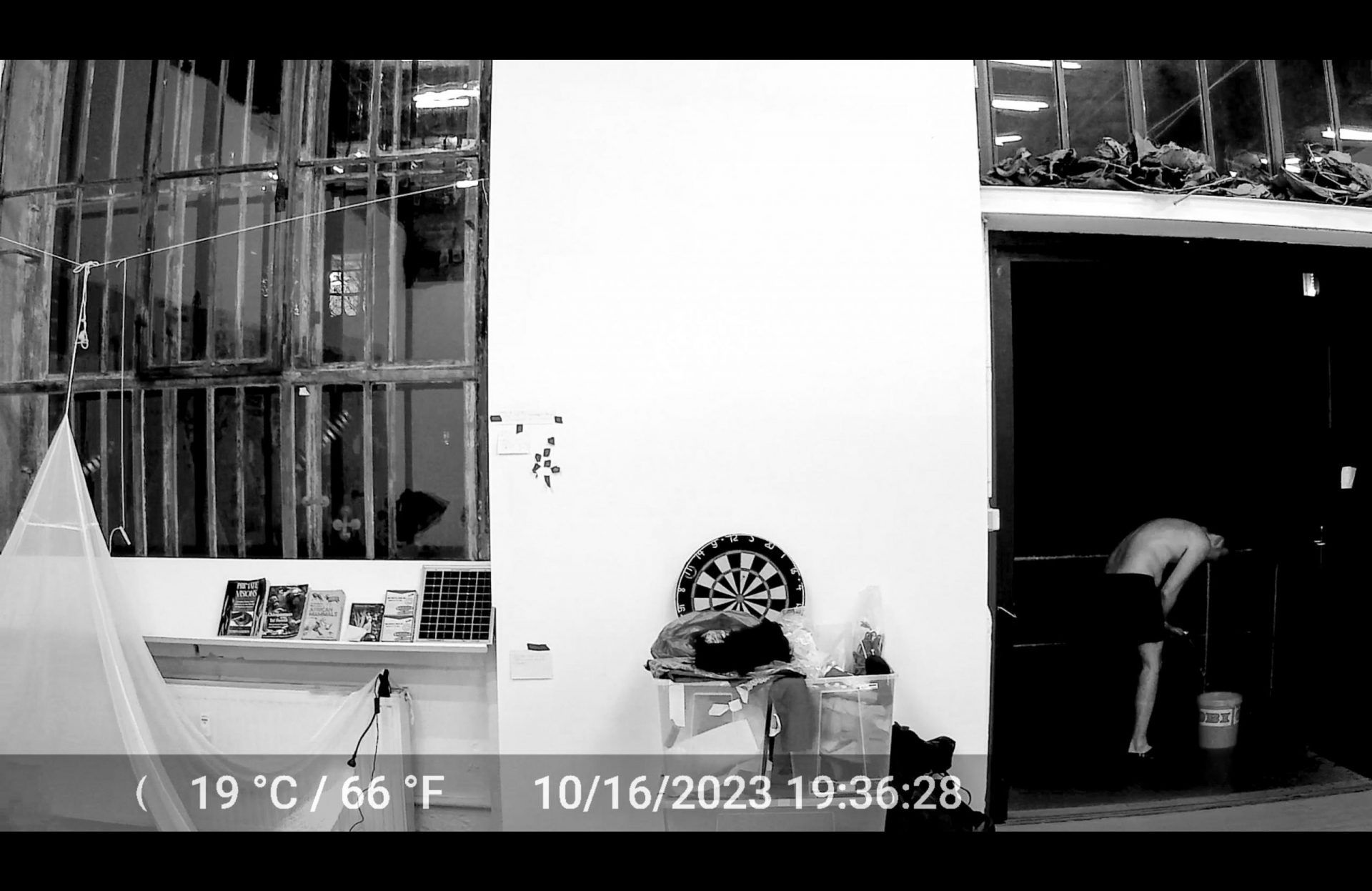
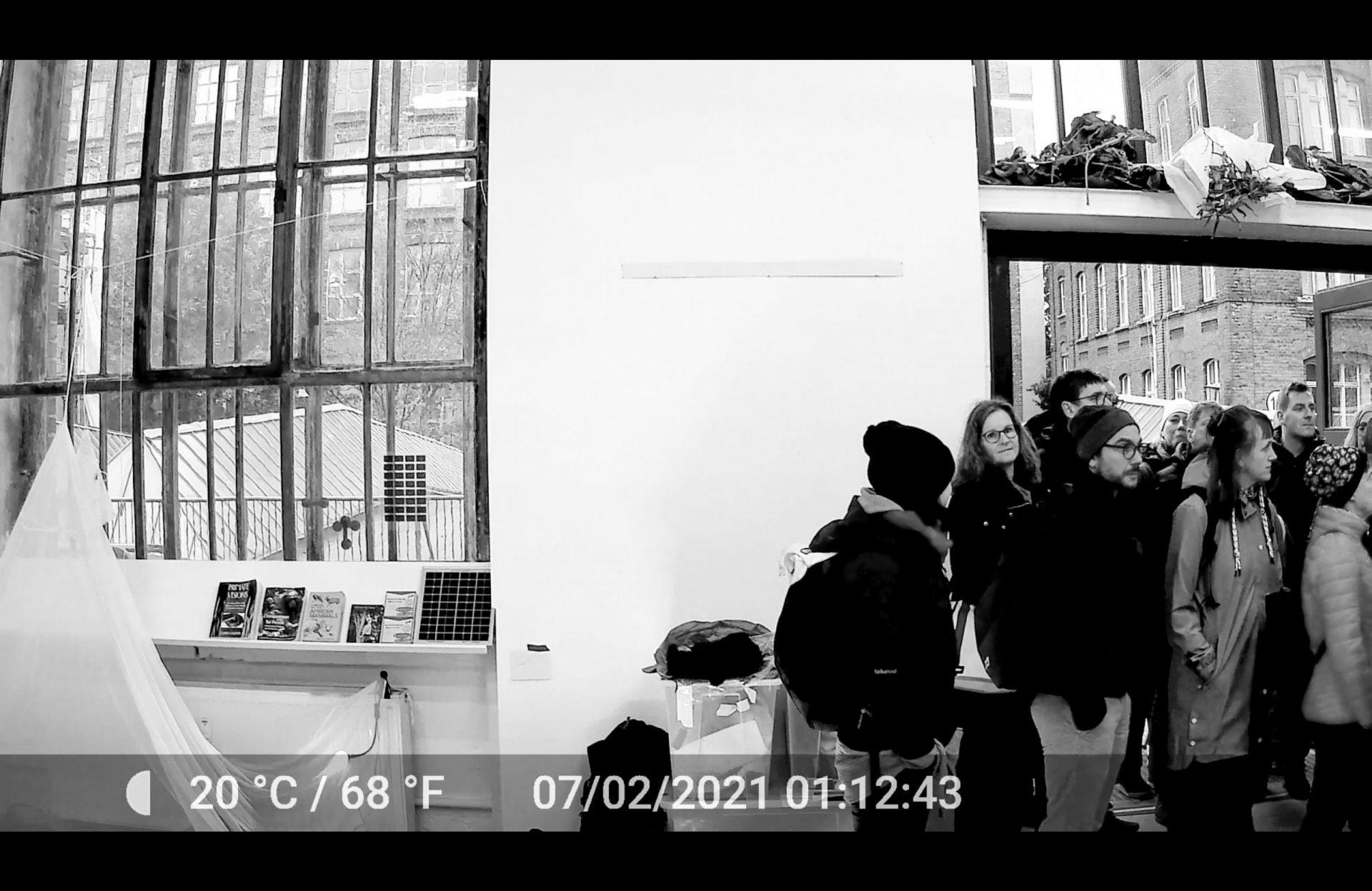
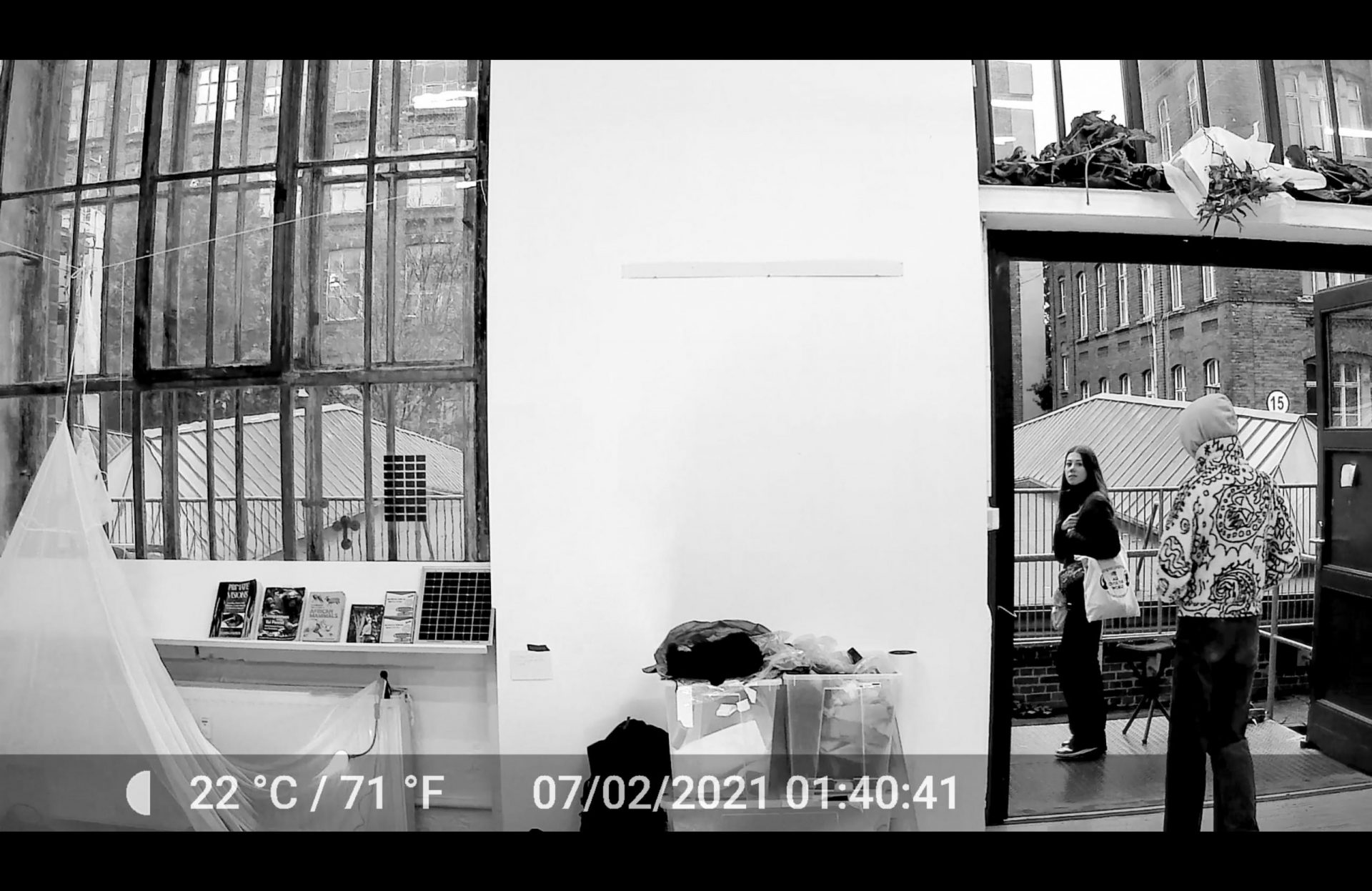
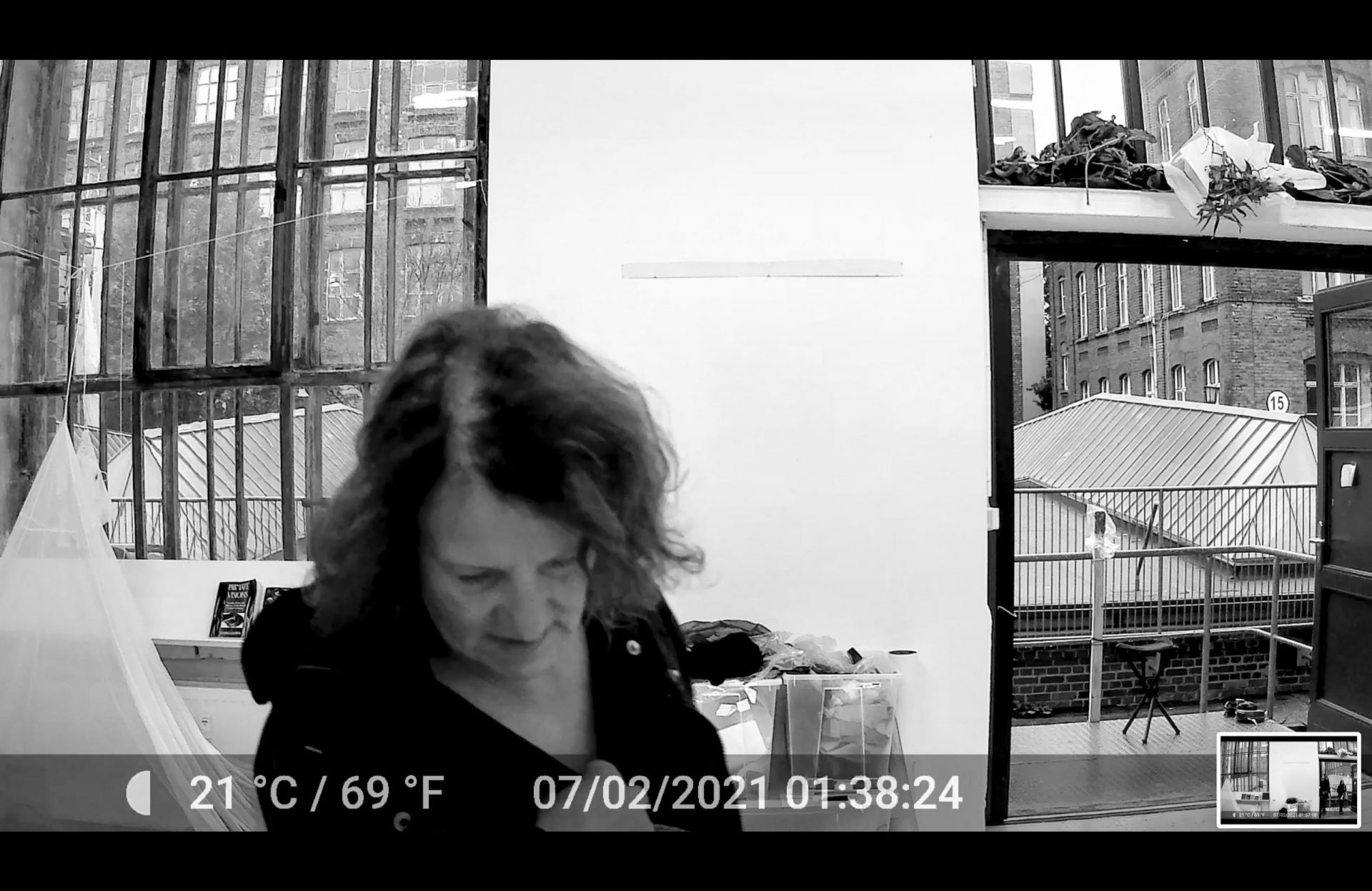
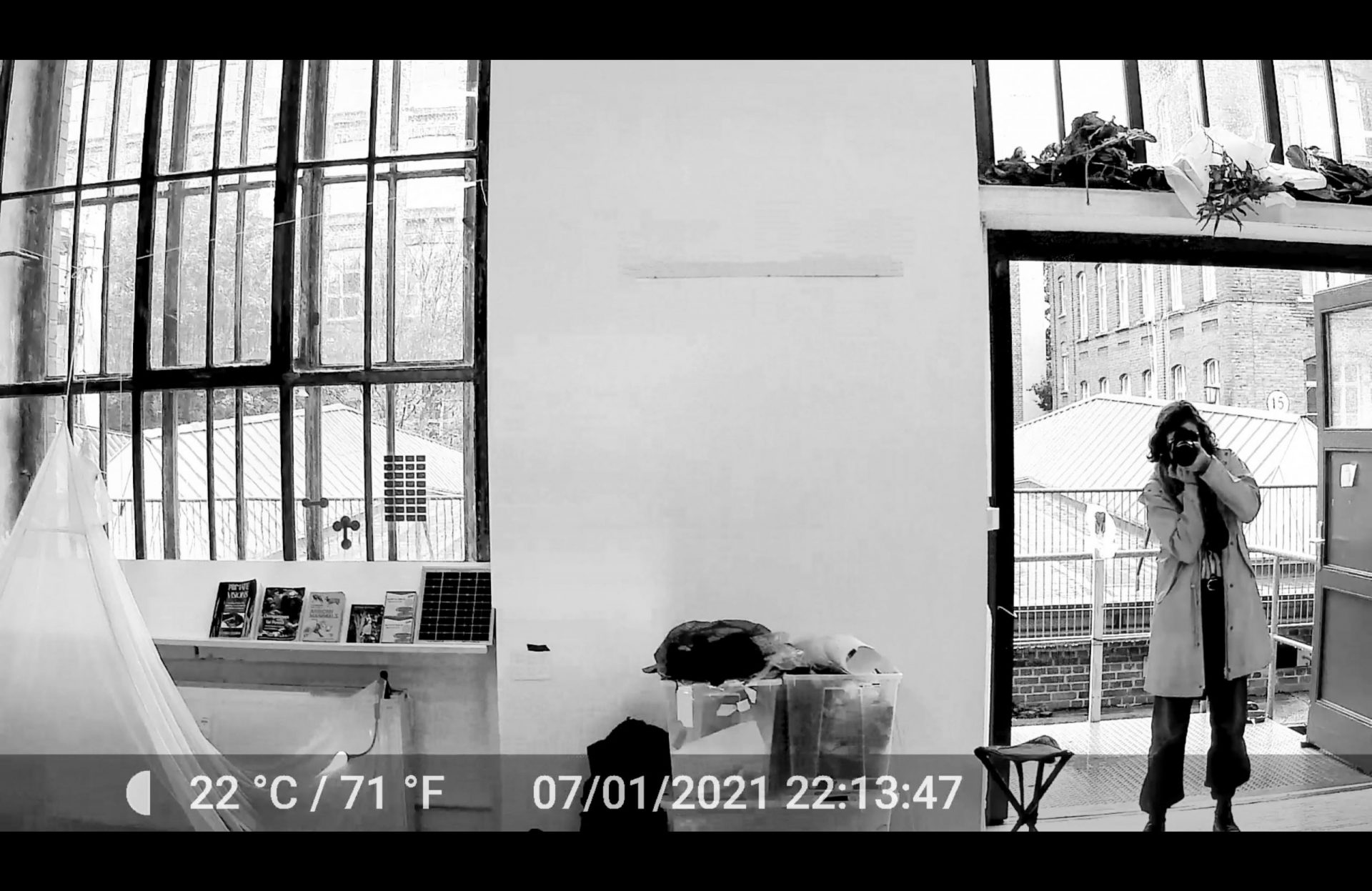
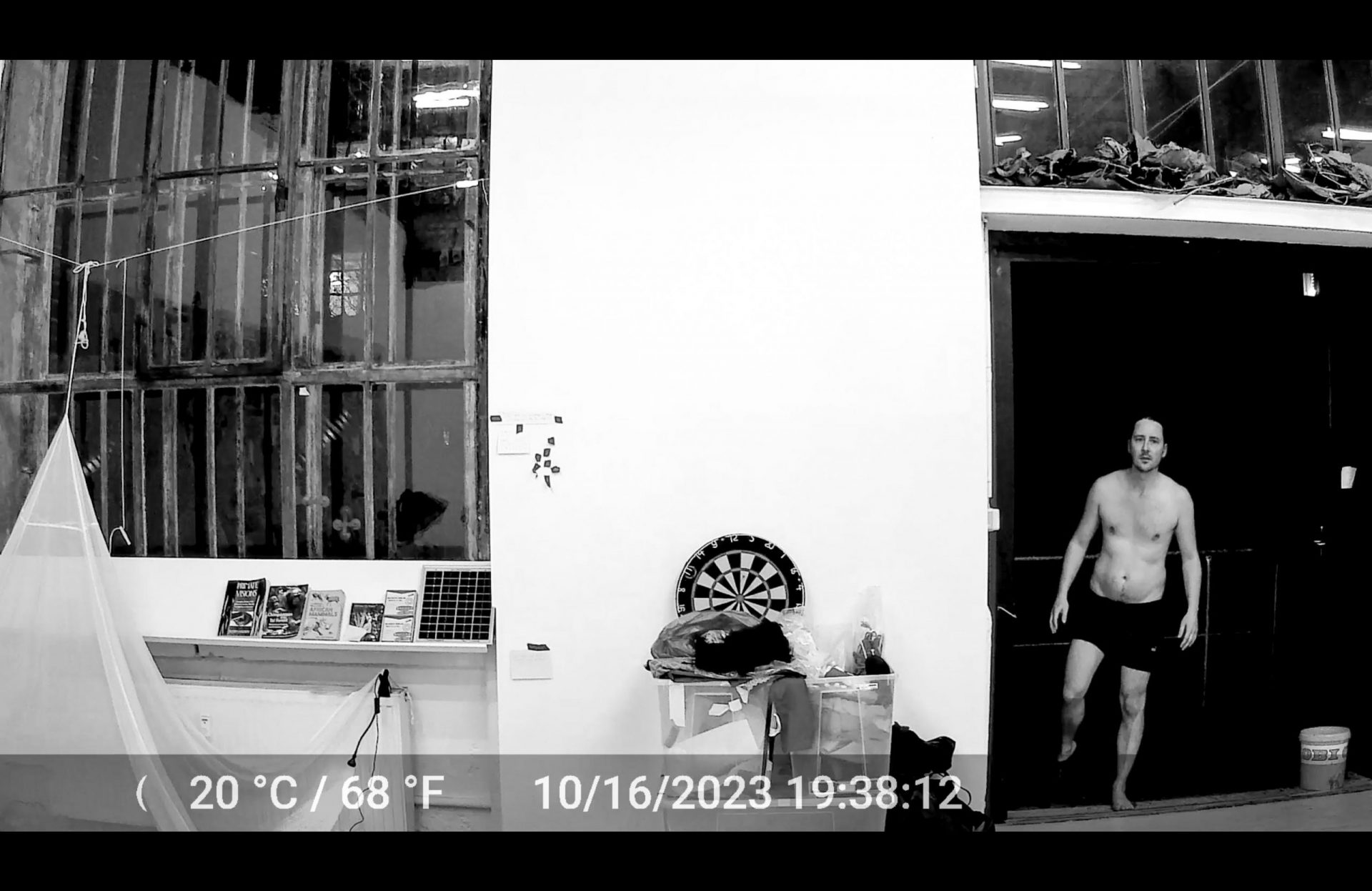
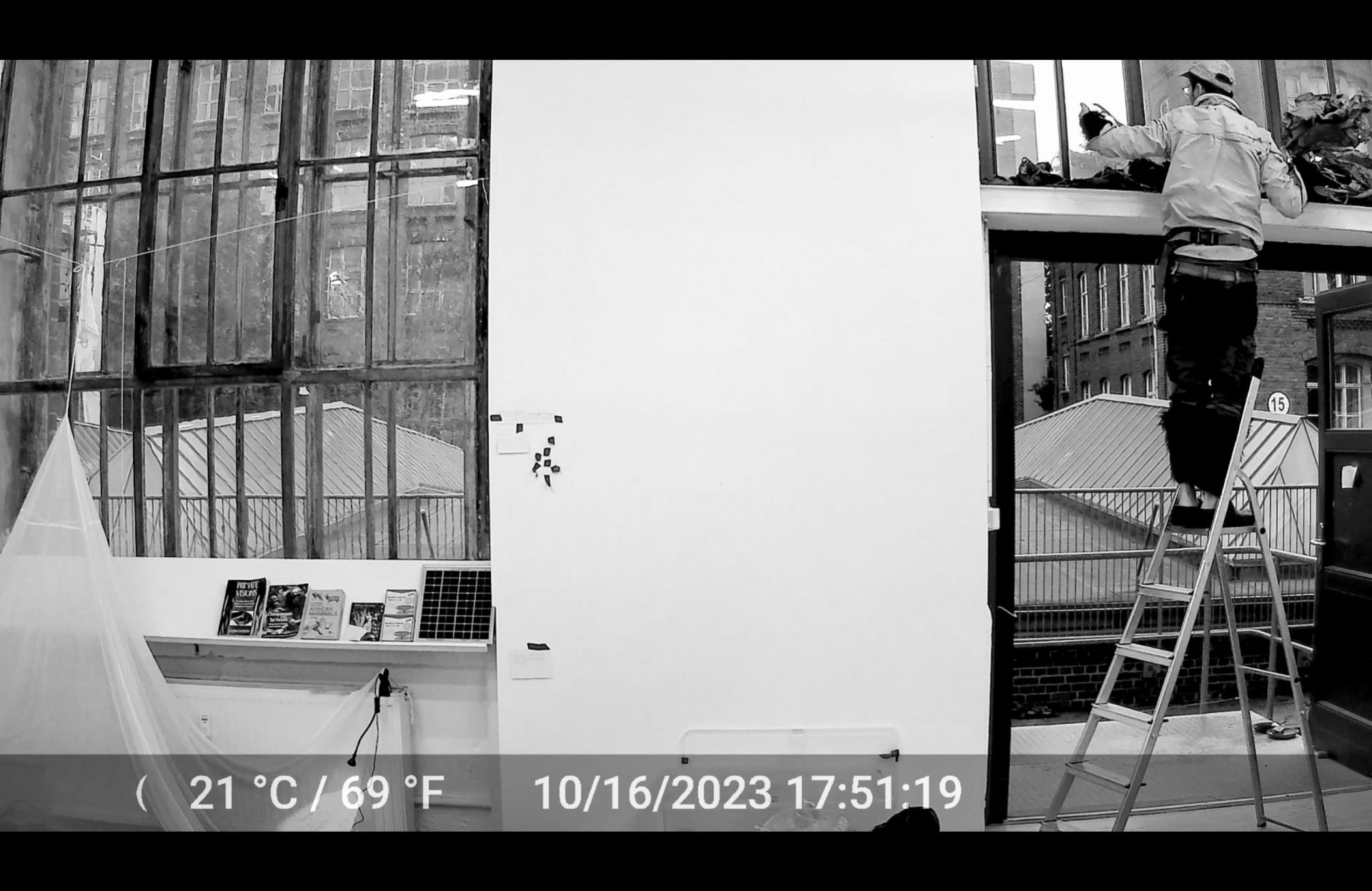
He lived and worked as an “ape-researcher-artist,” cooking and sleeping in the gallery, open to visitors while behaving as though they were not present—around 250 people came during the week. Almost a 24/7 performance. Only briefly did he step out of his role to communicate with visitors.
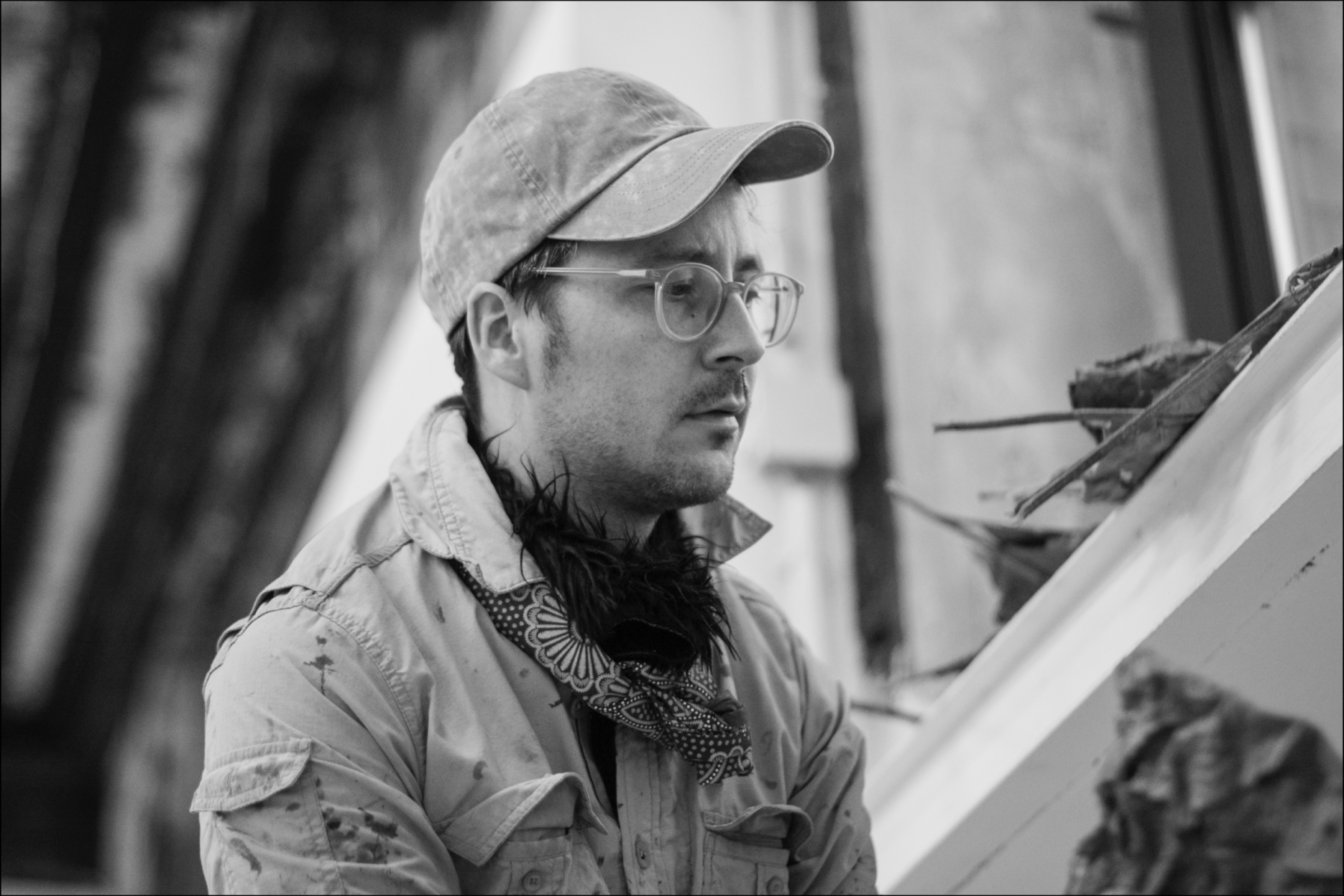
Born in Halle in 1981, Emanuel Mathias studied photography at the Academy of Visual Arts Leipzig under Timm Rautert and later became a master student of Christopher Muller and Tina Bara. His exhibition, titled A Fist Full of Peanuts, is conceived as a multimedia installation—a total work of art.
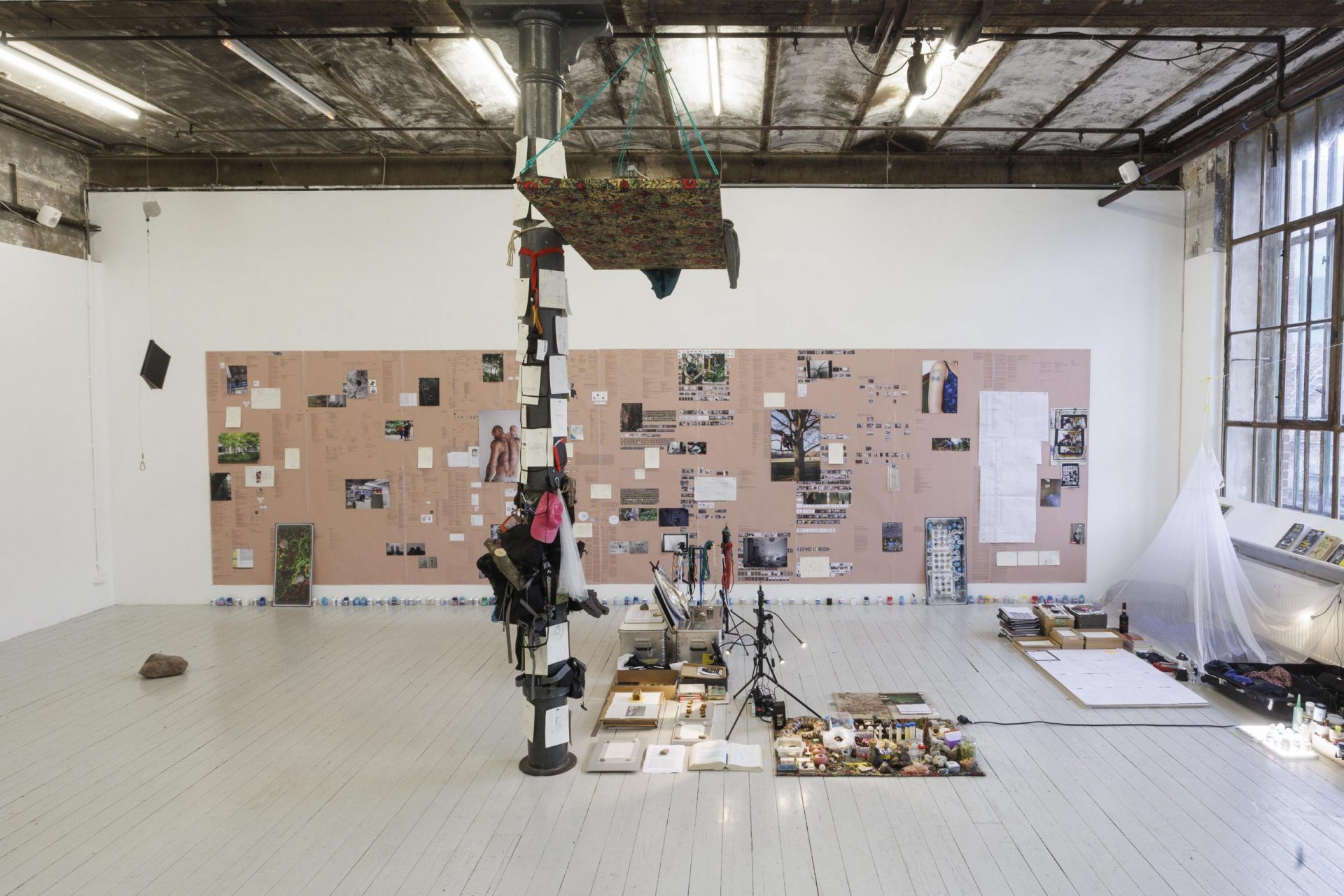
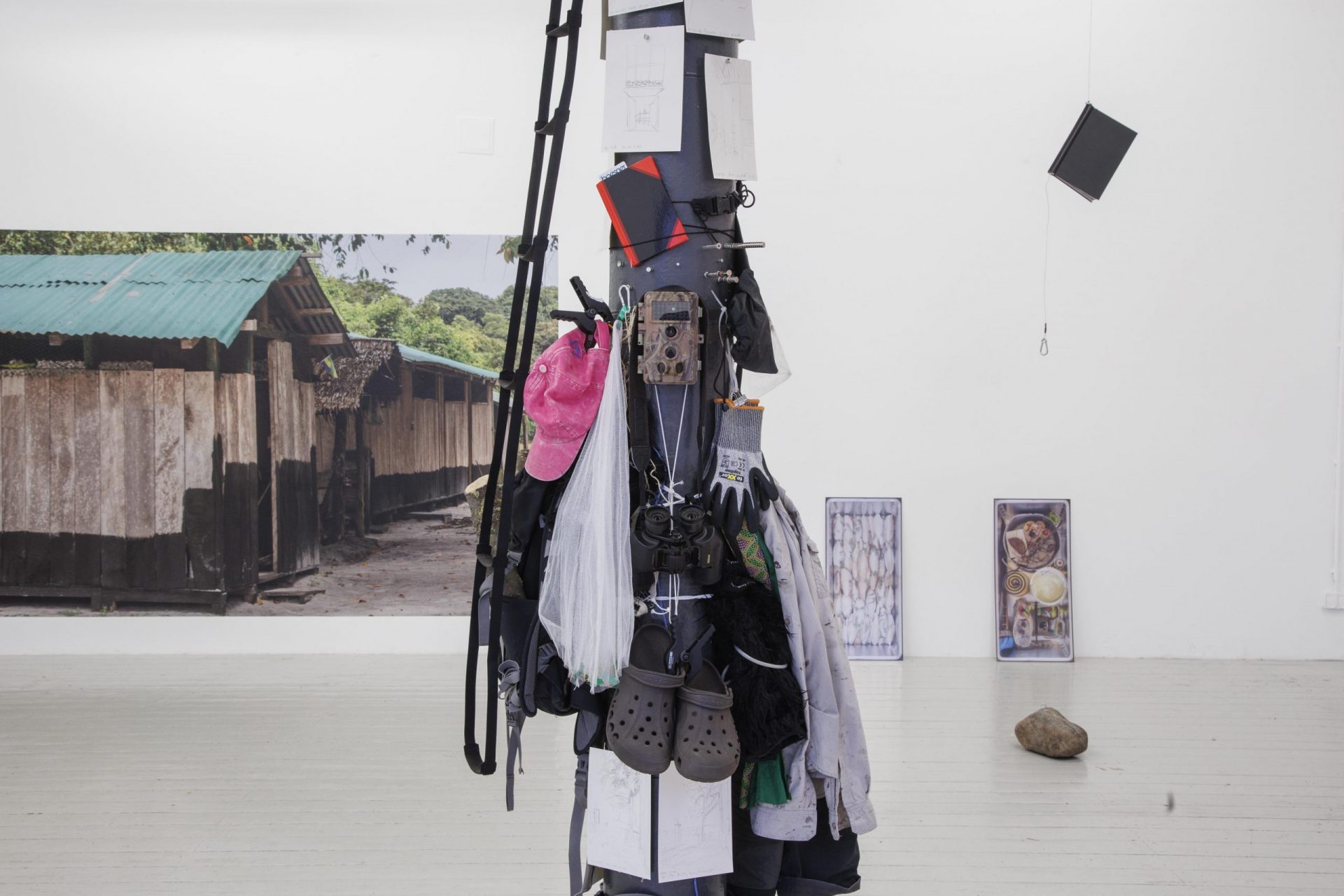
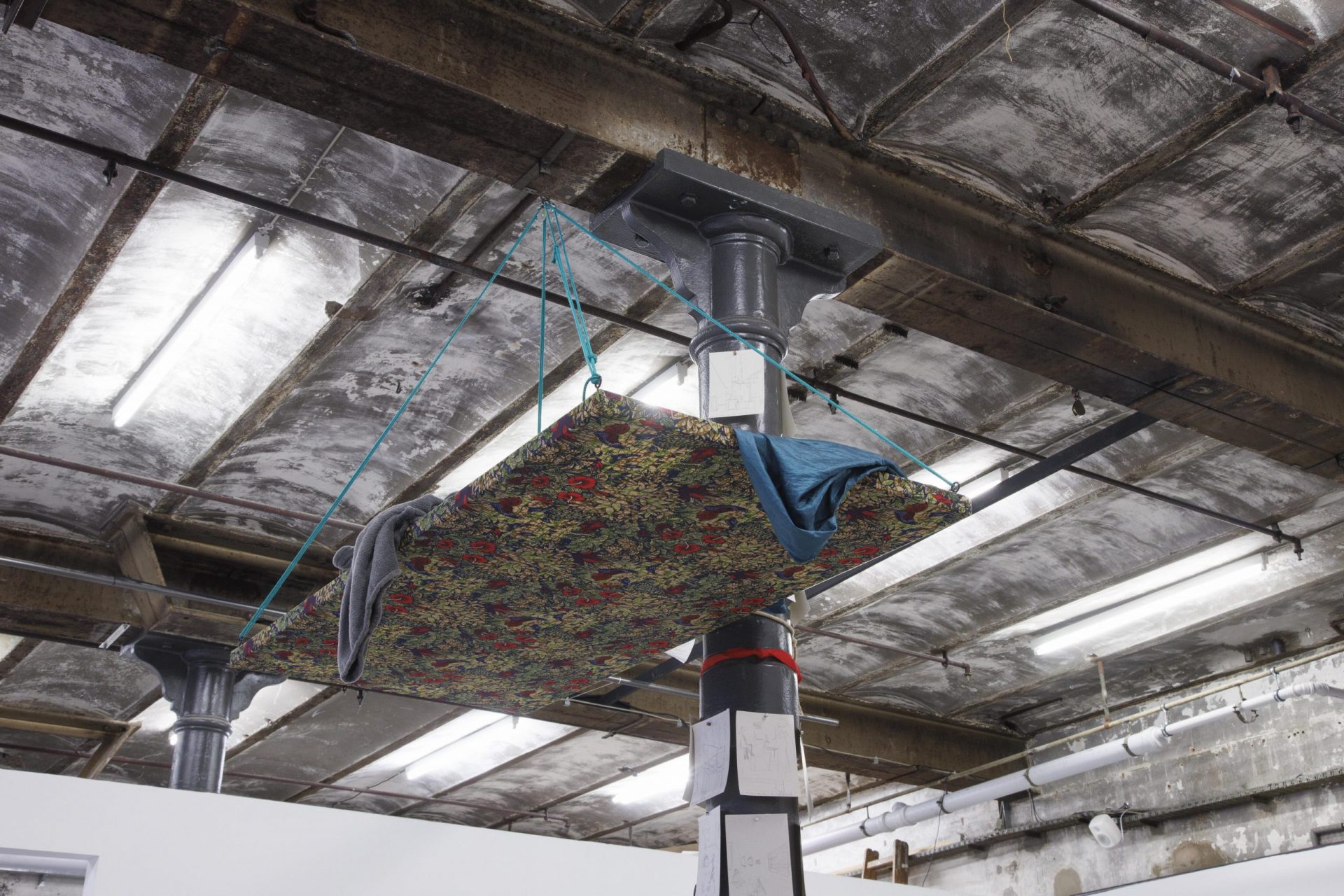
His sleeping place under a mosquito net remains in the gallery, along with the clothes he wore during the performance.
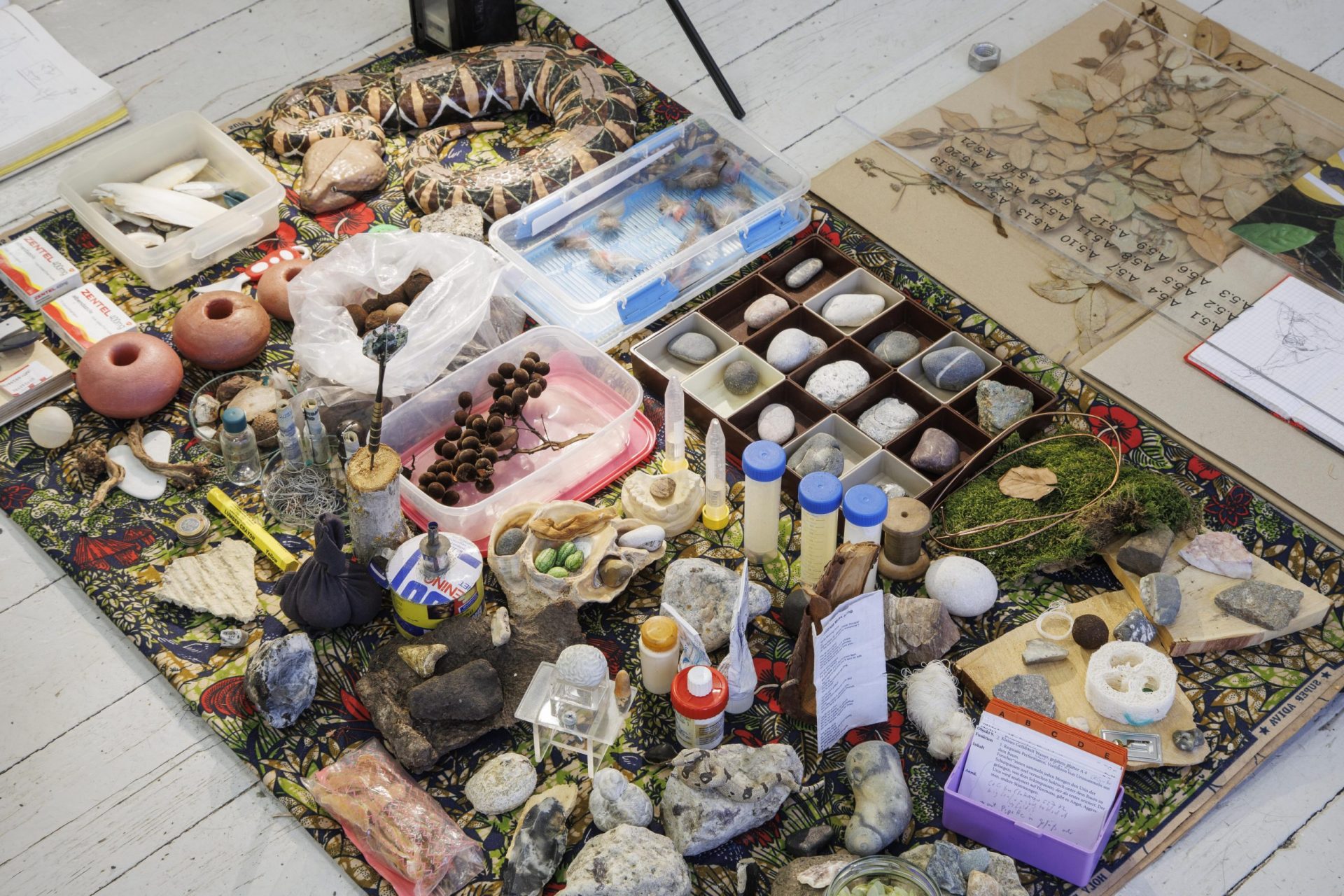
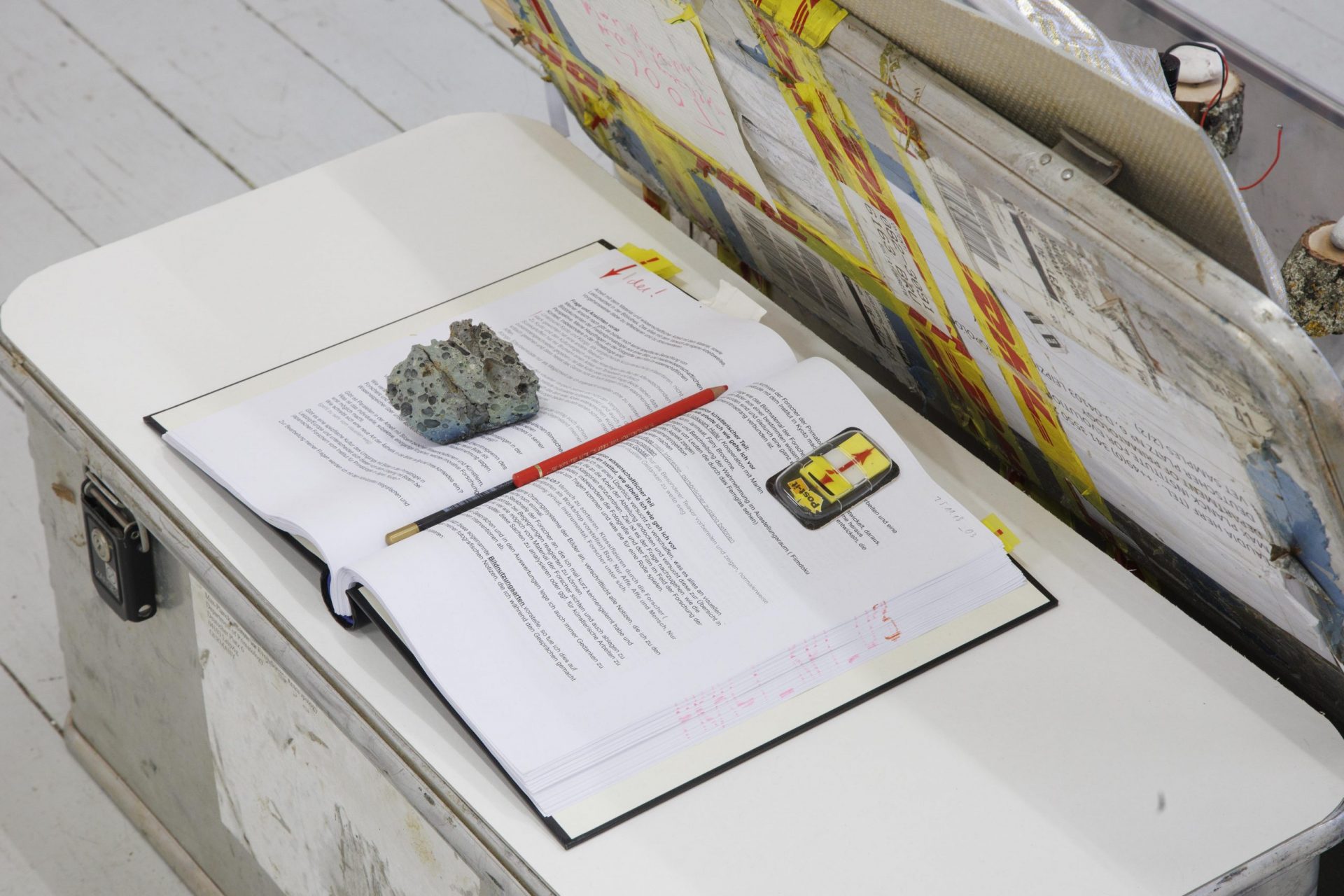
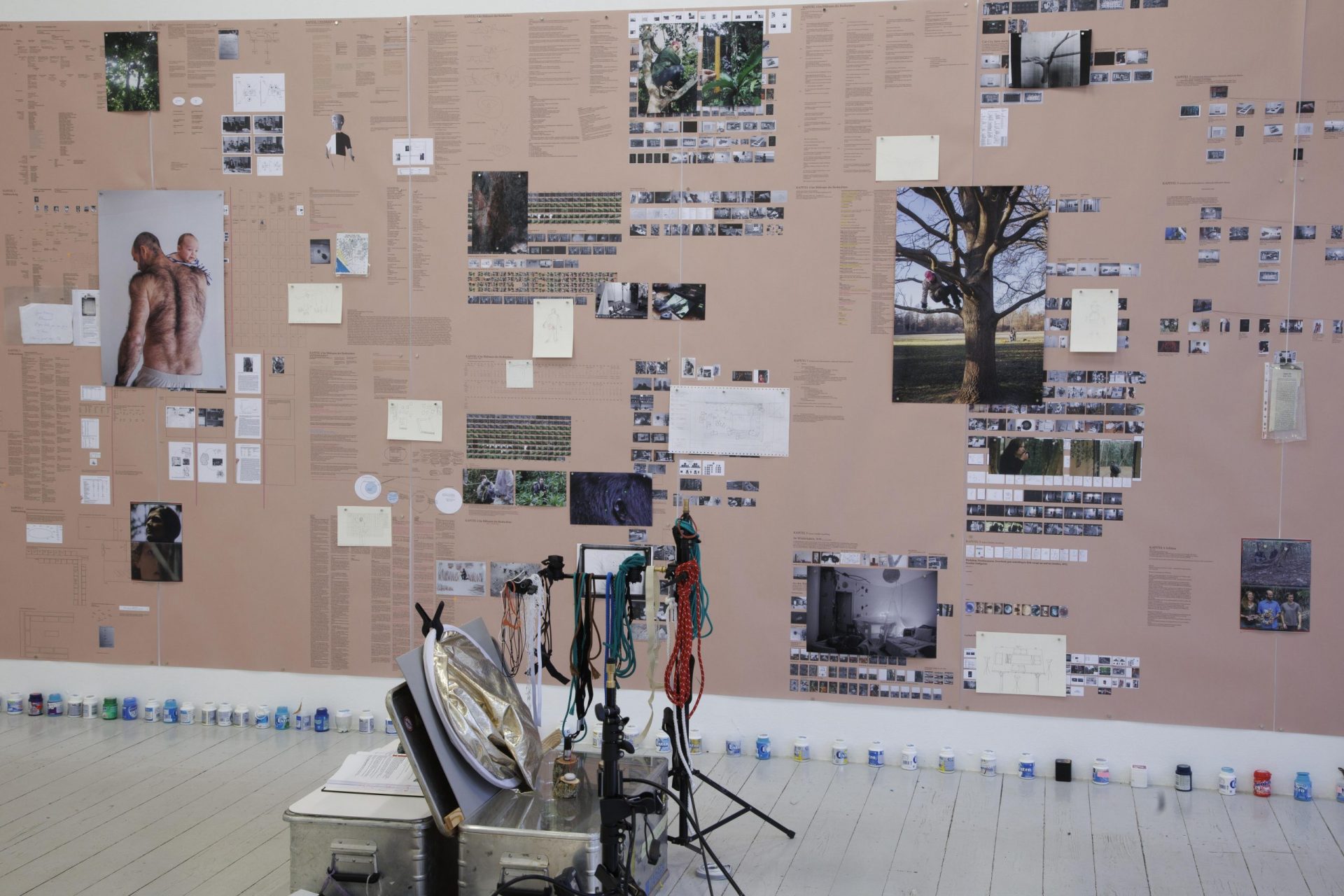
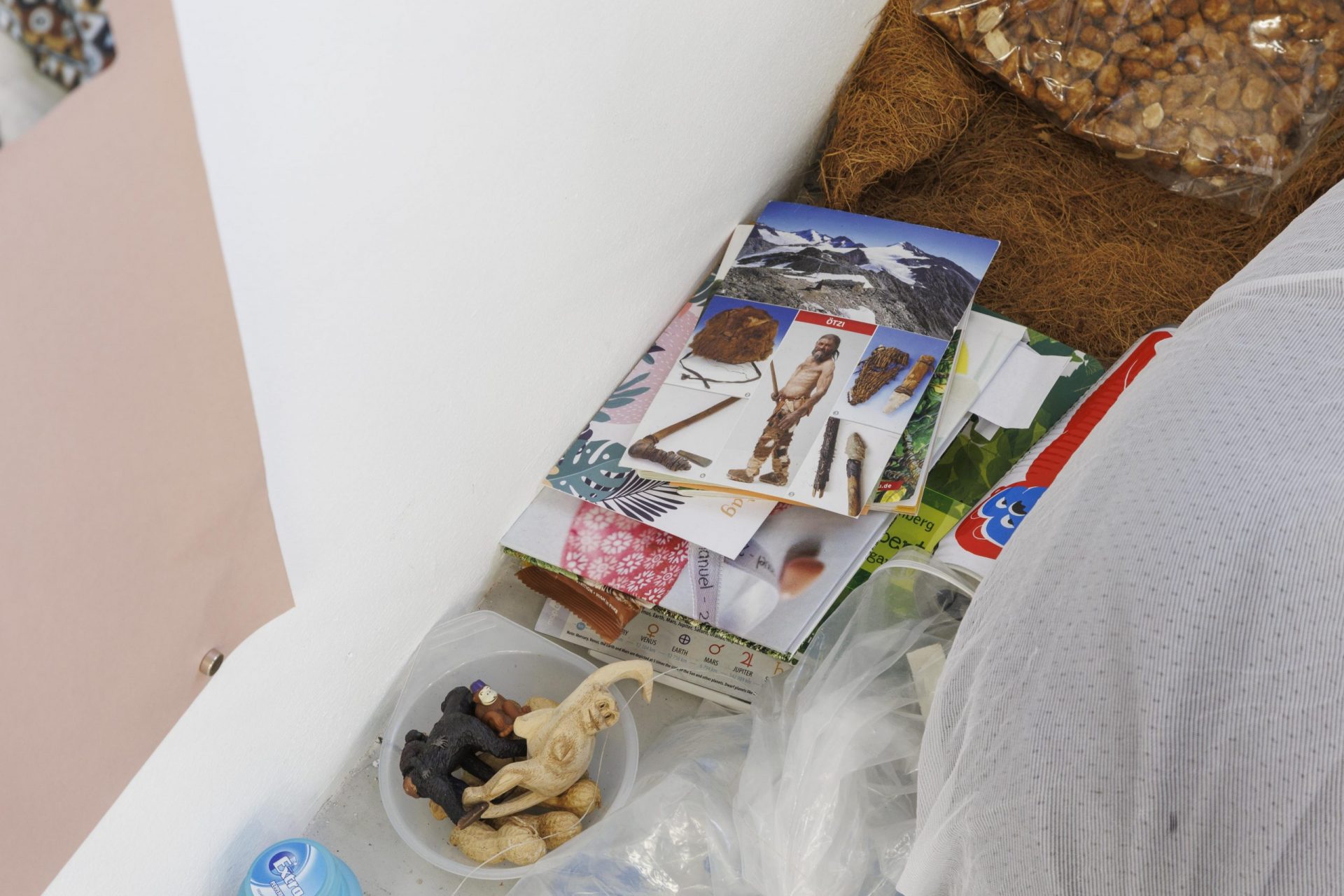
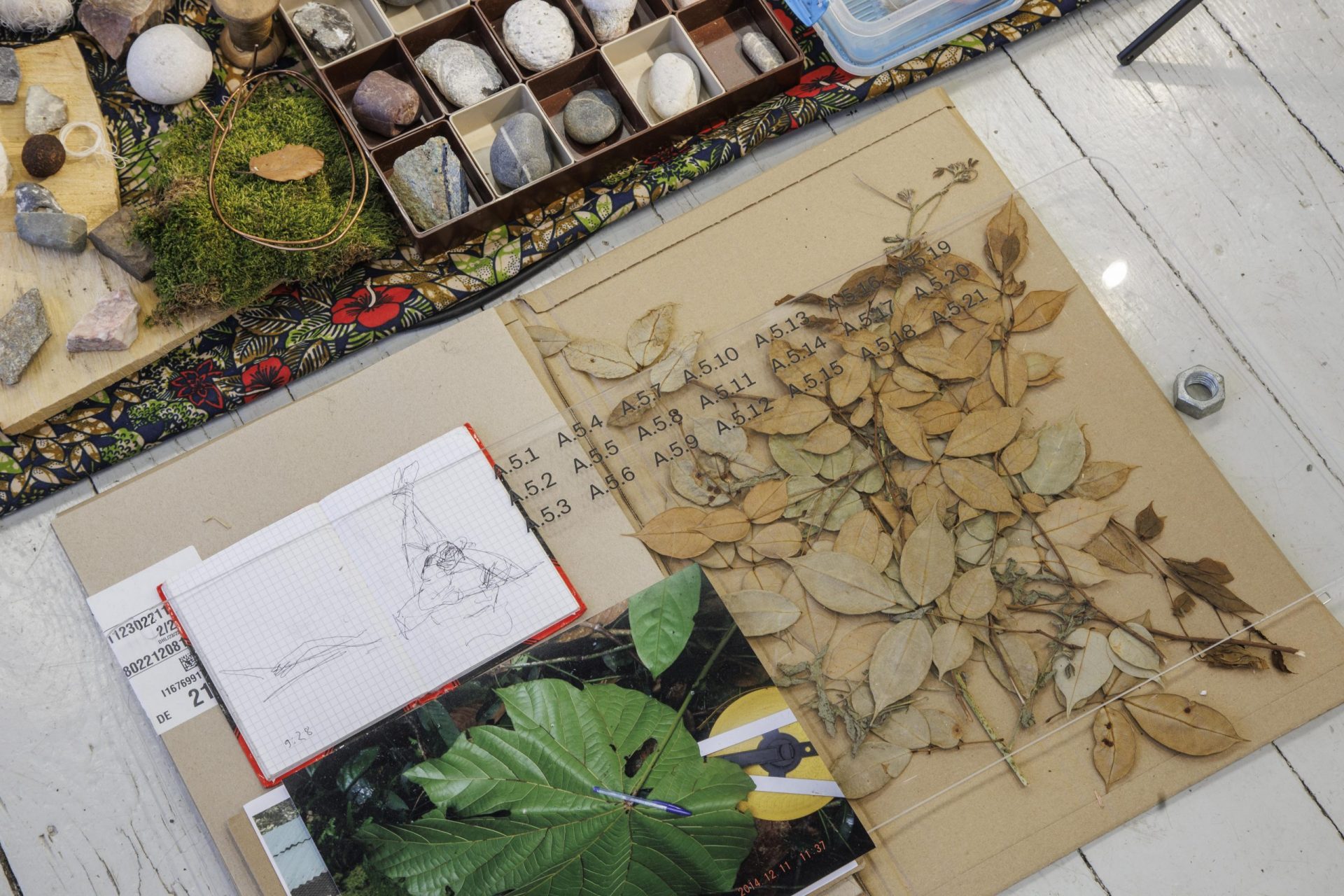
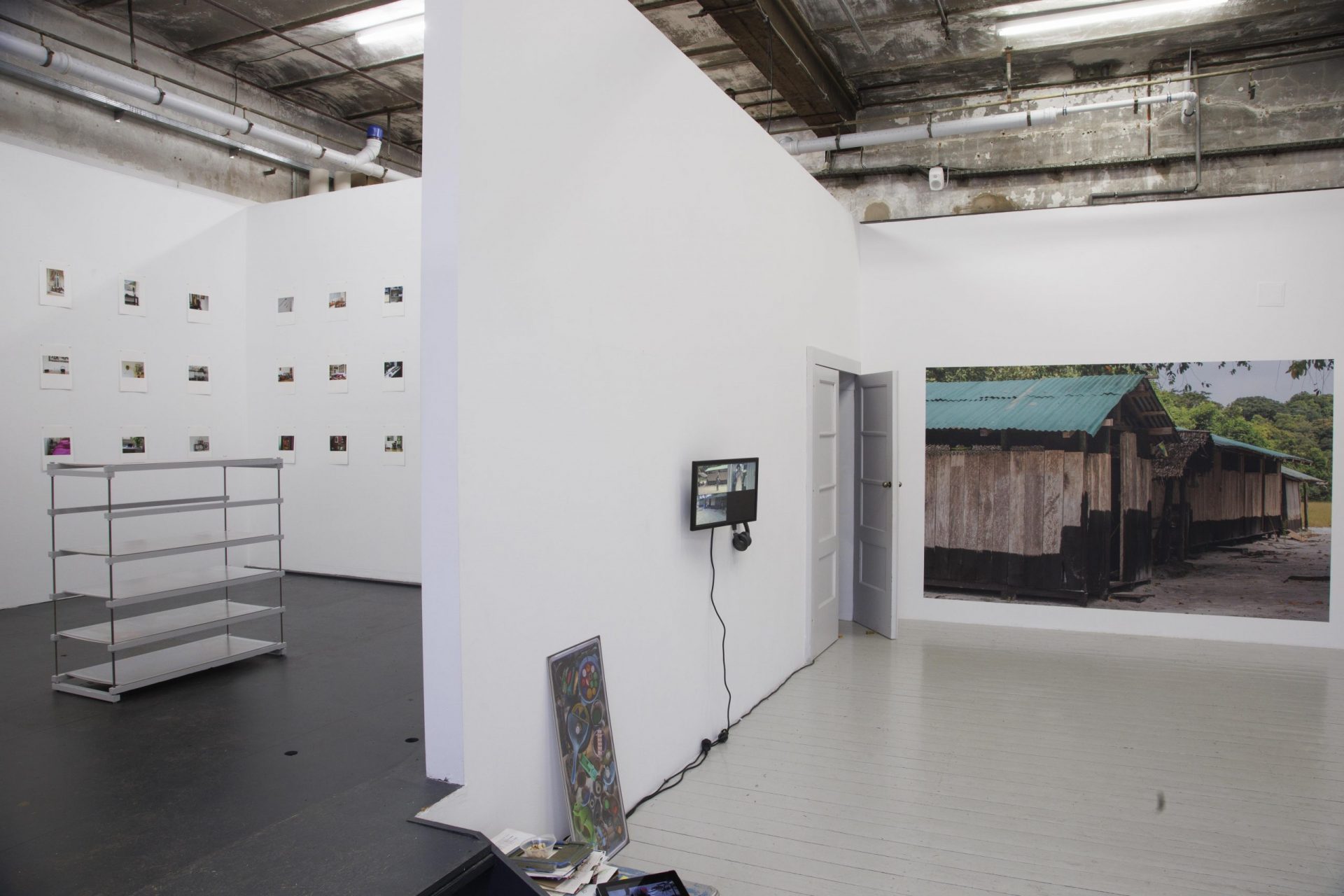
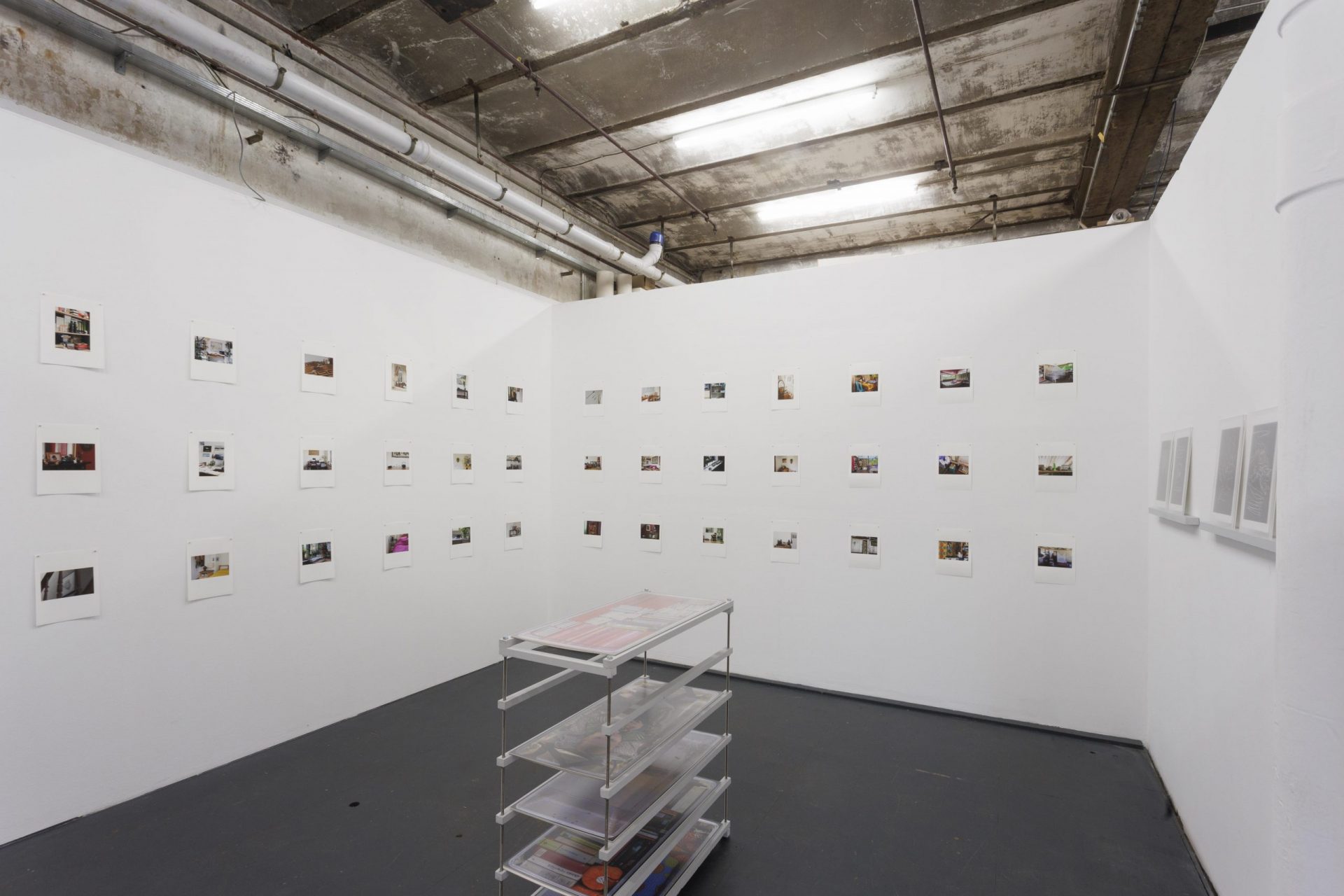
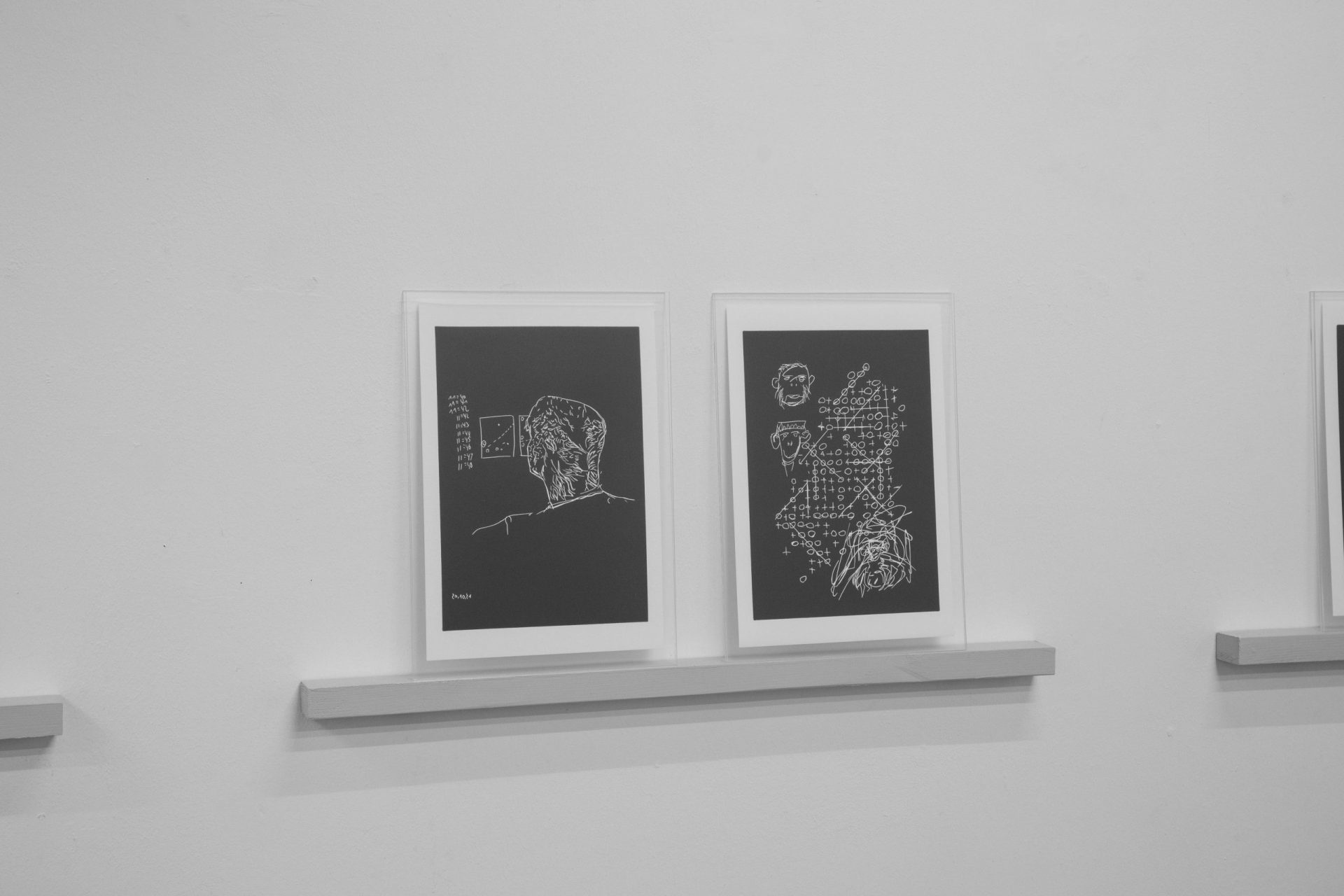
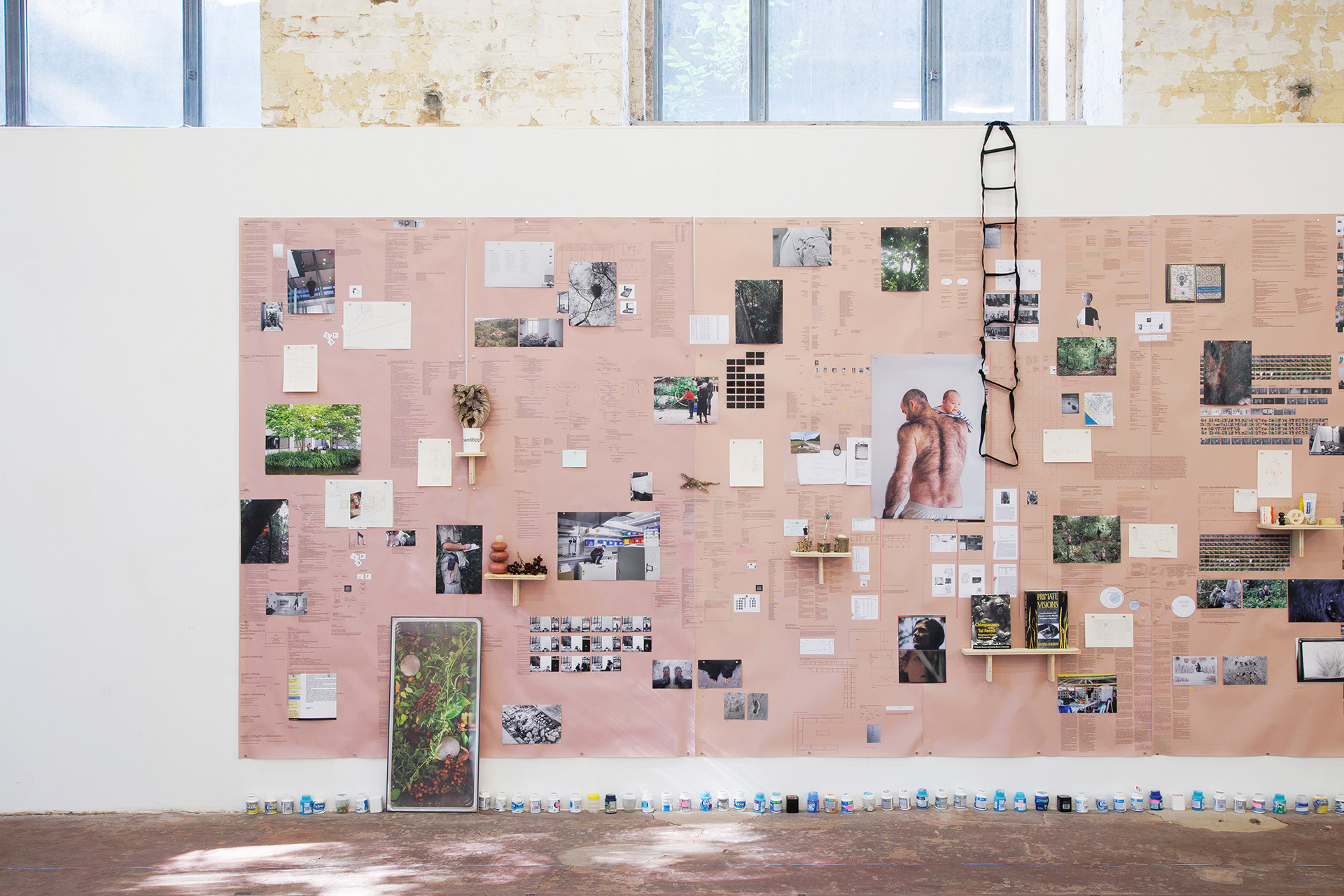
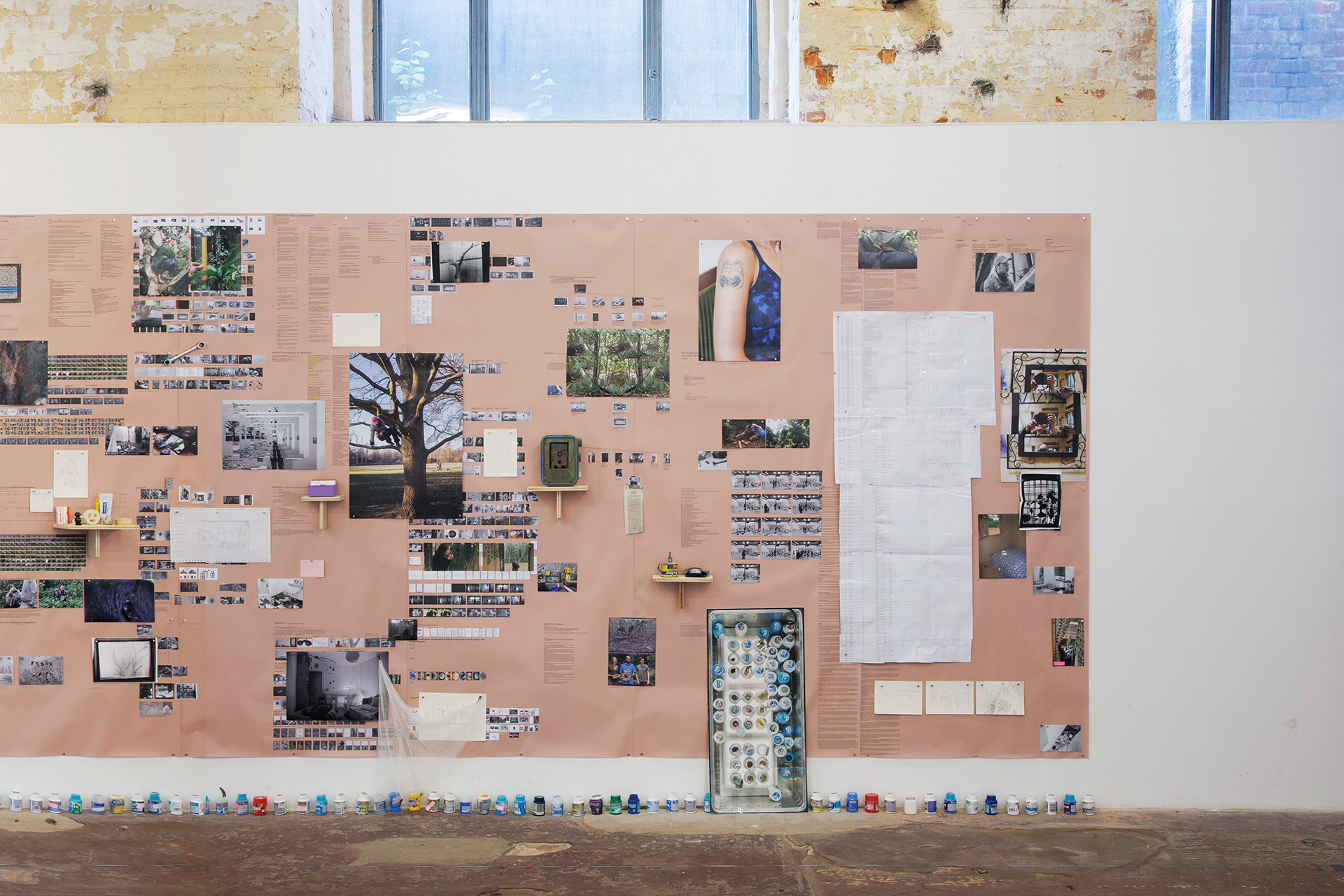
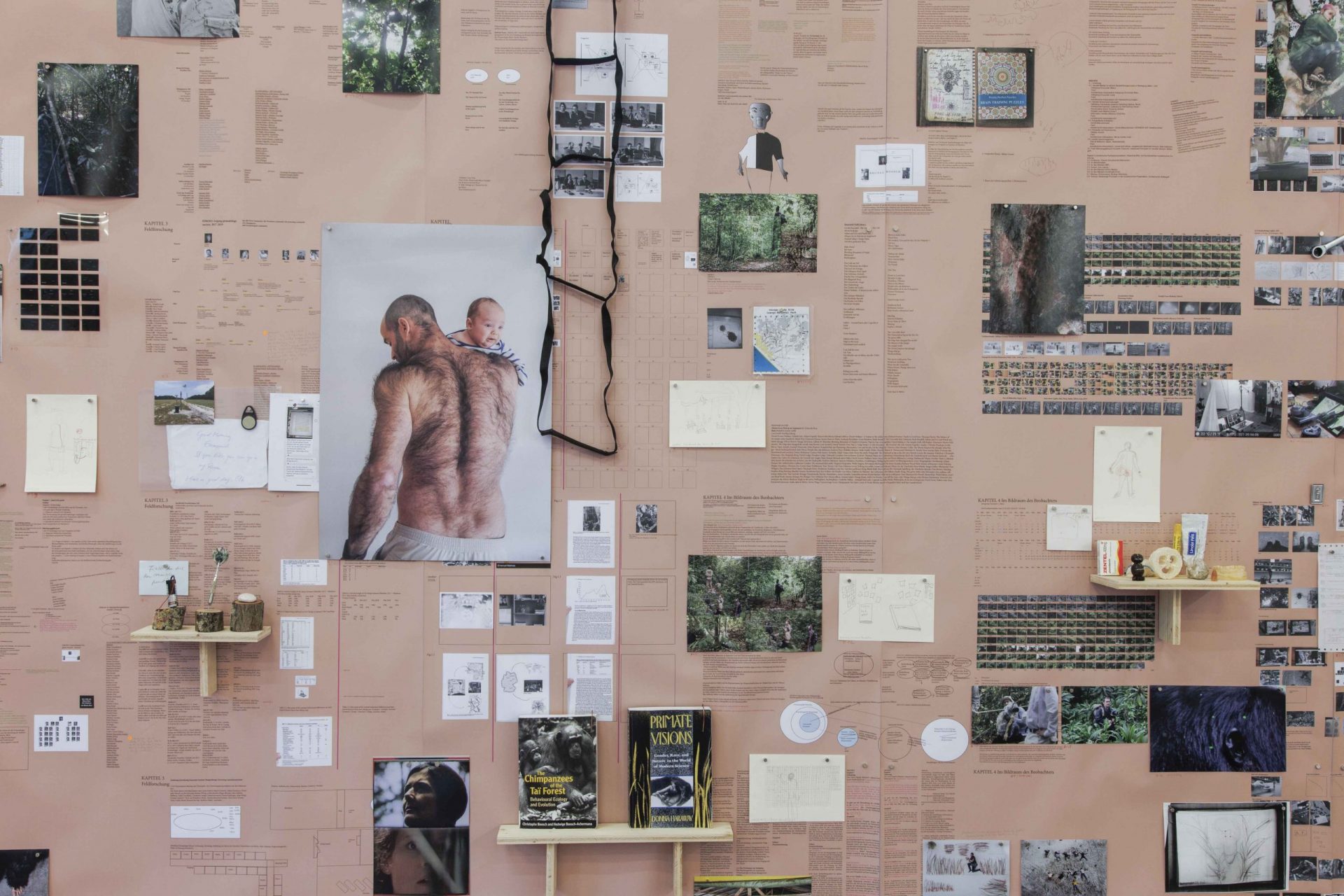
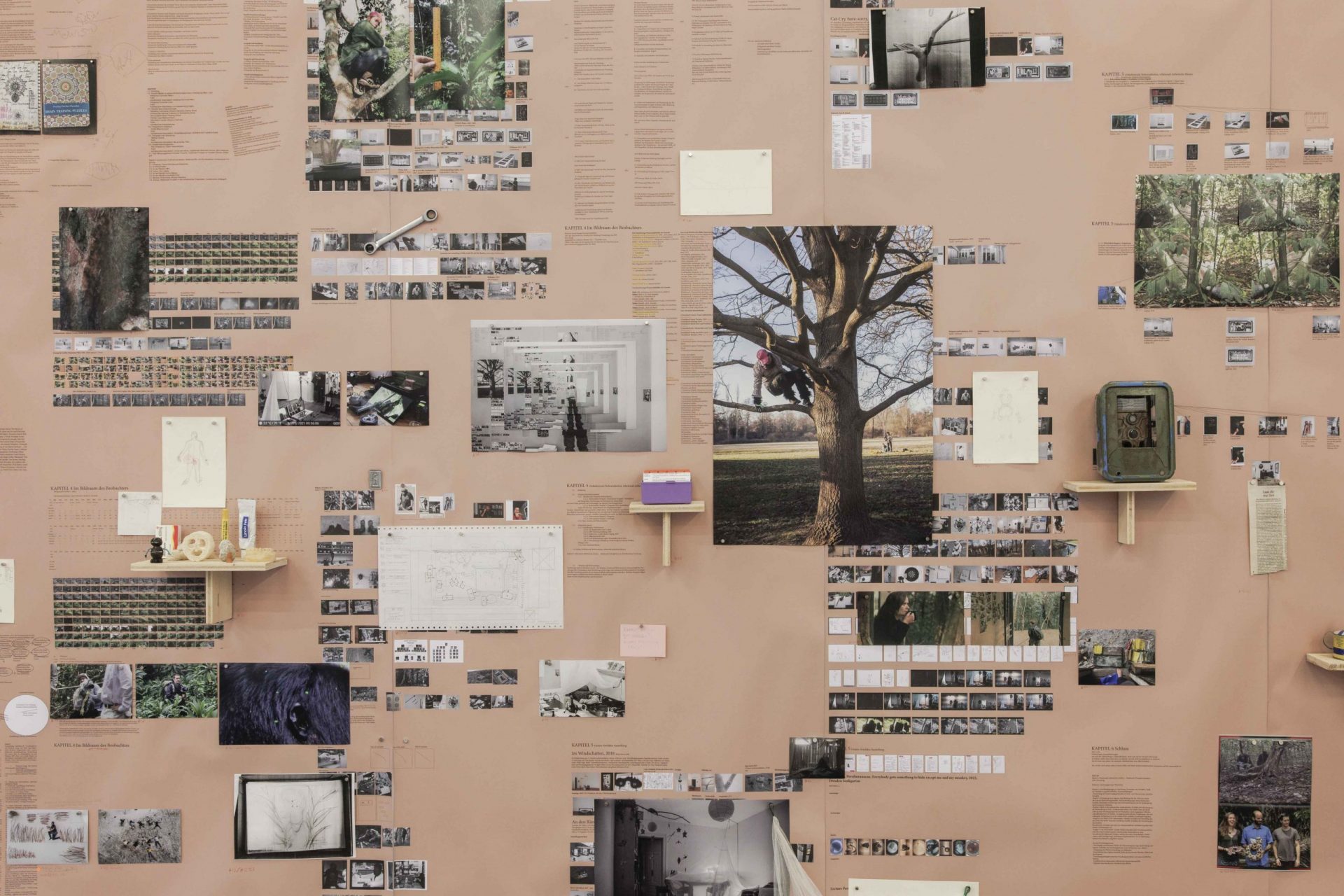
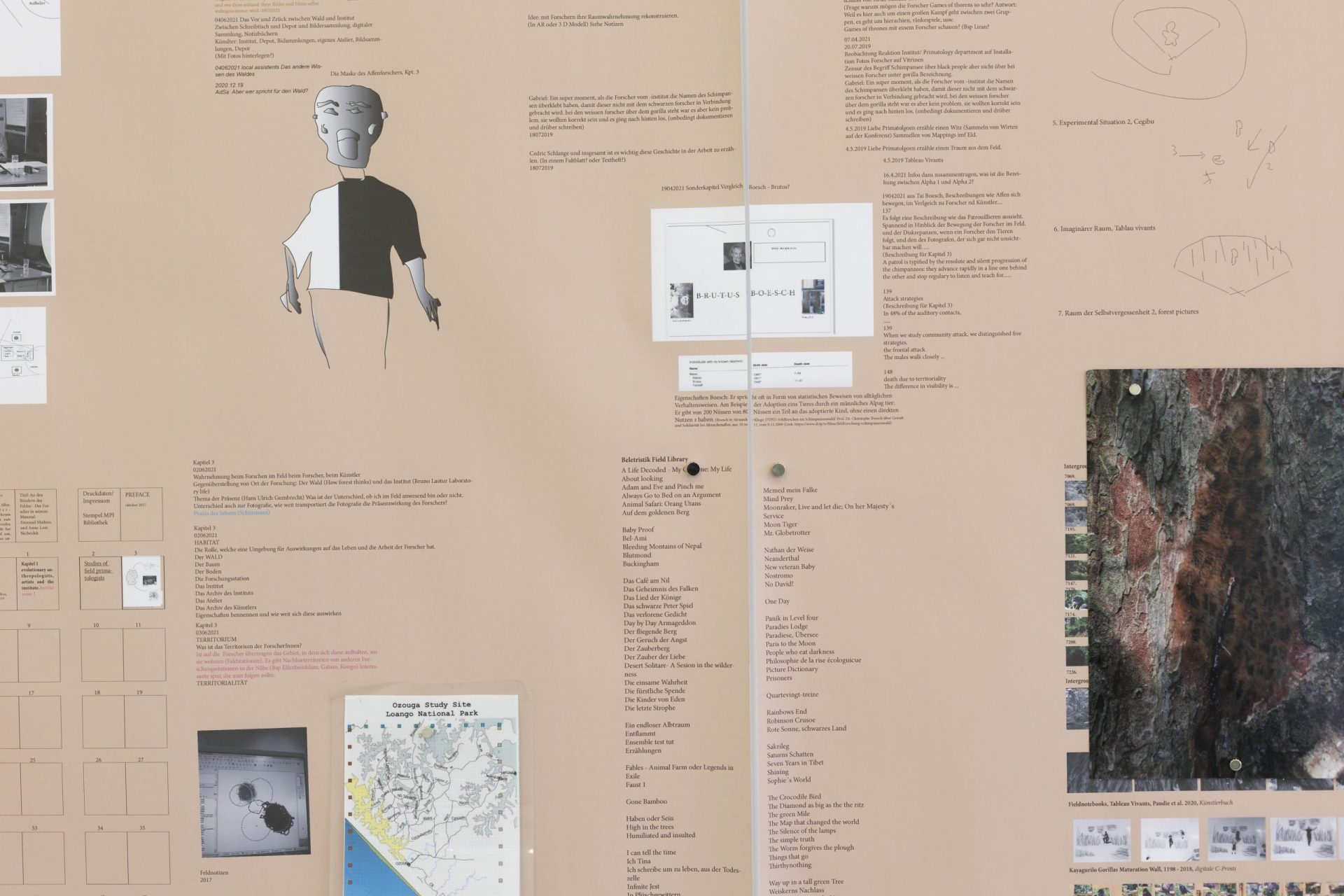
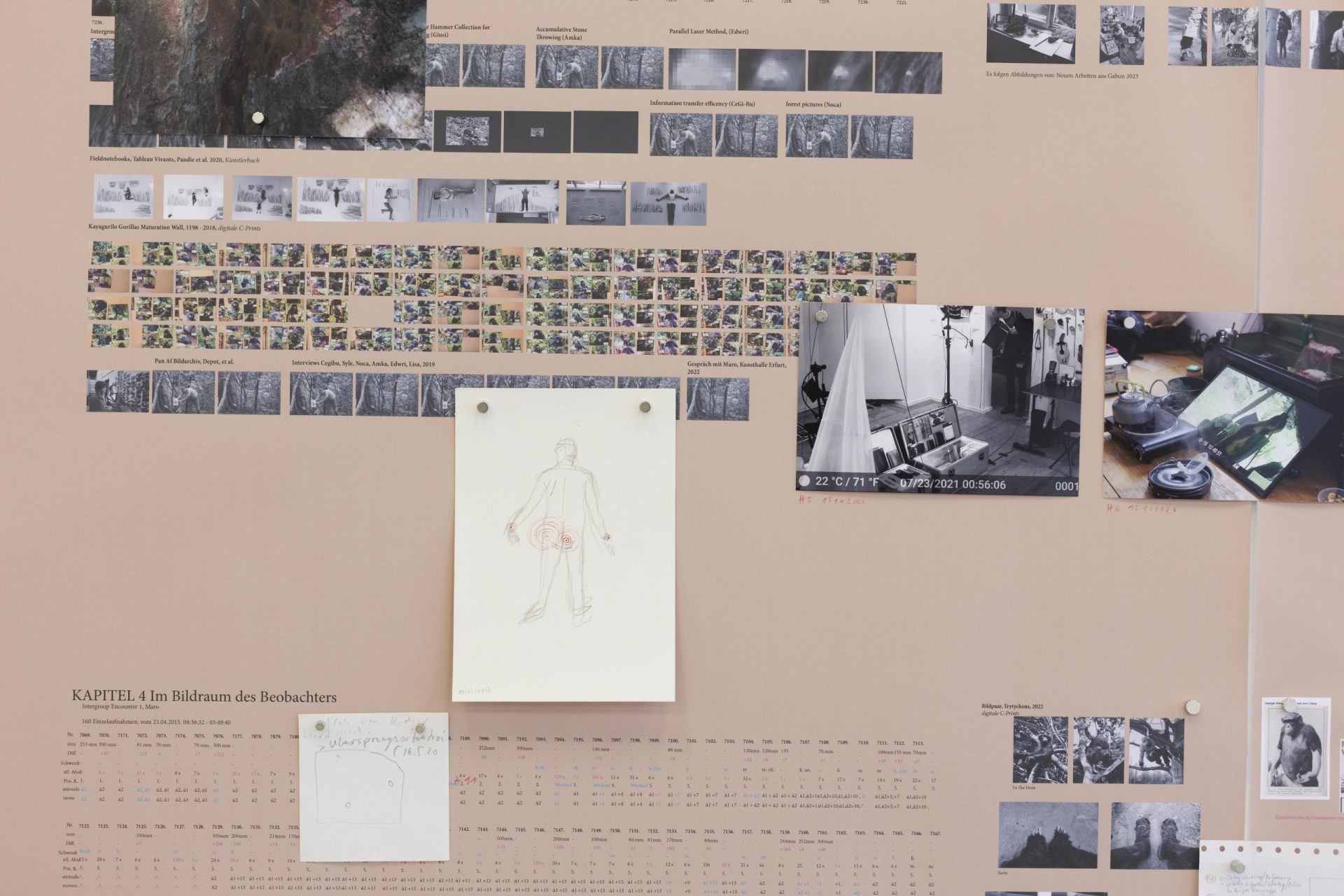
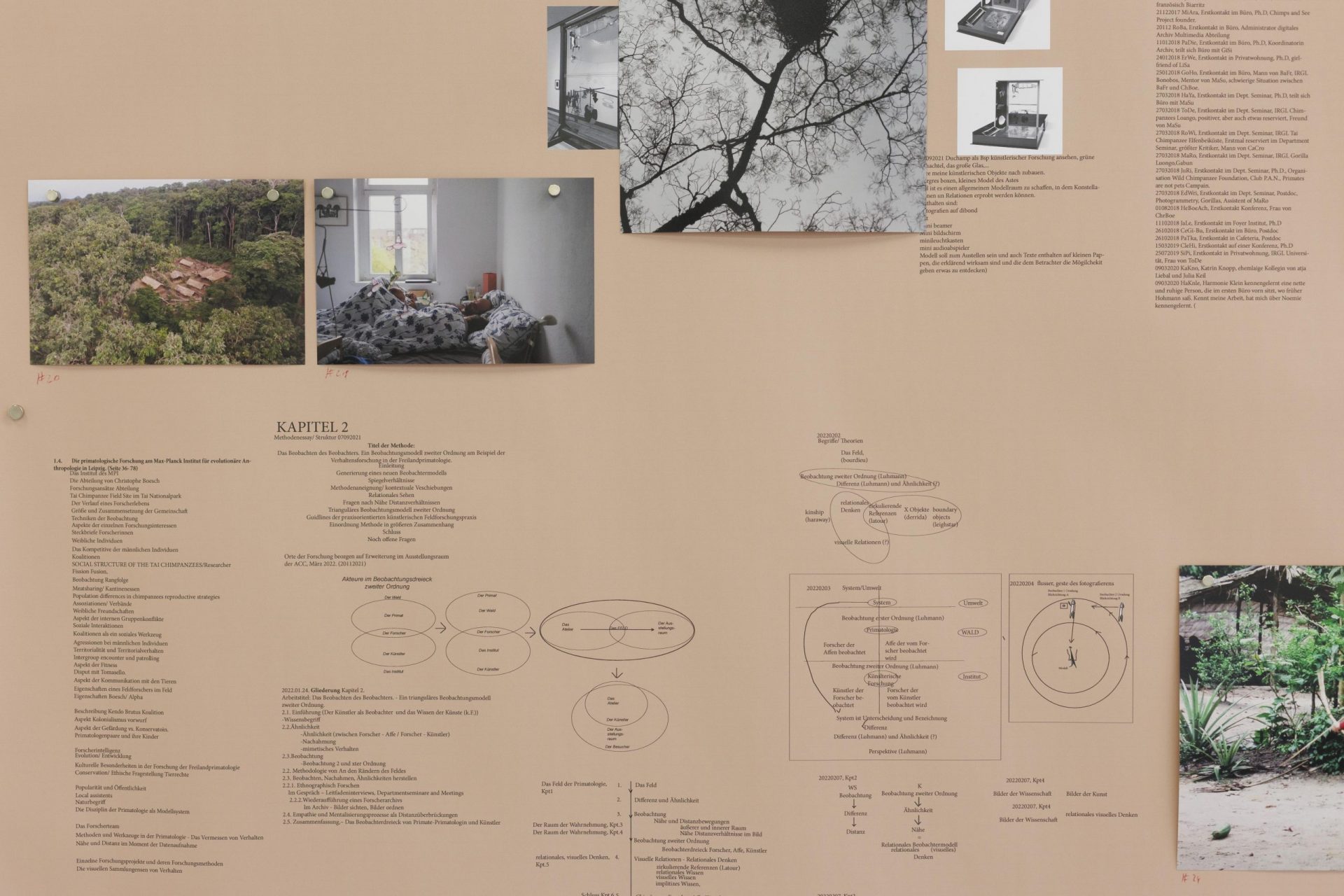
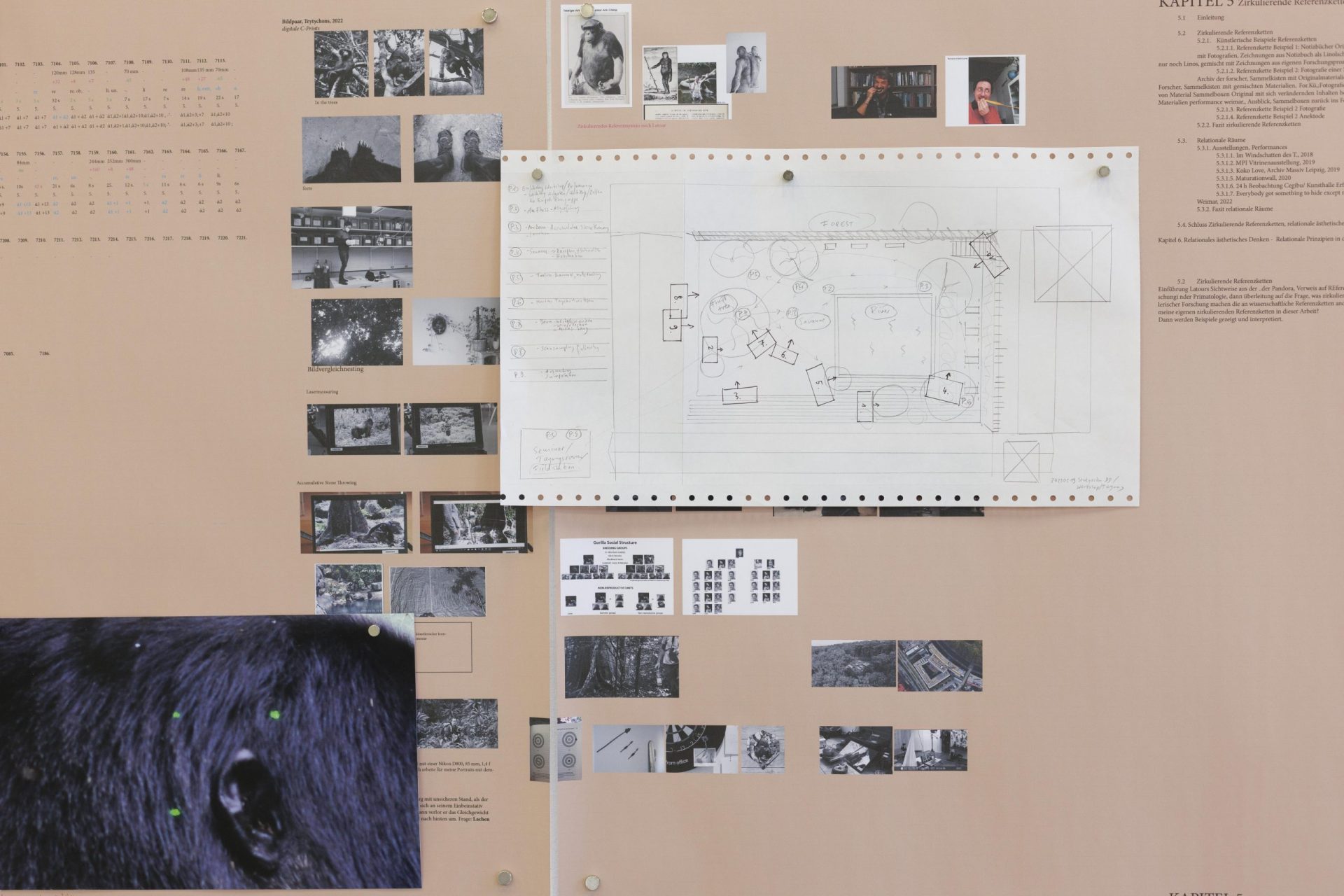
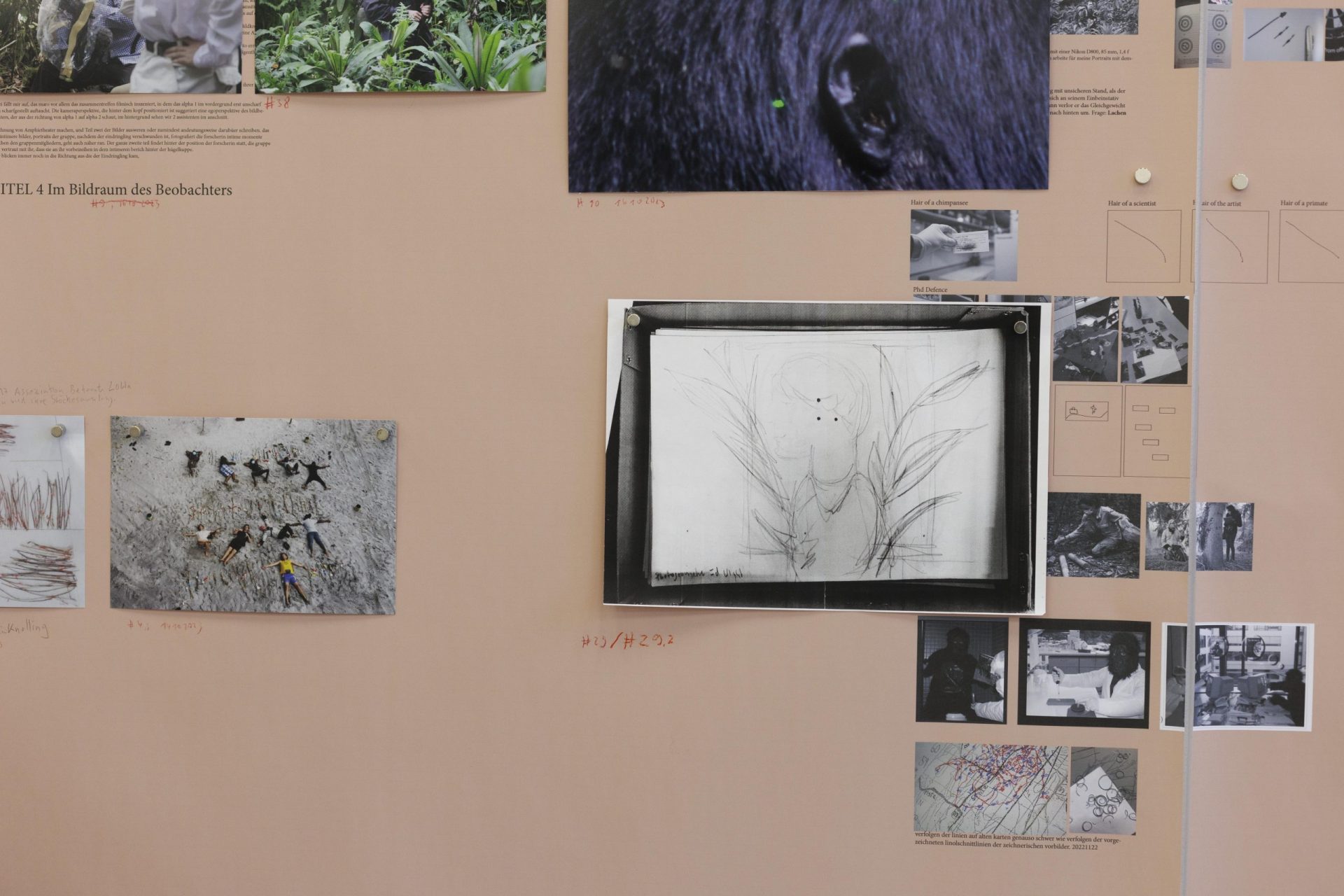
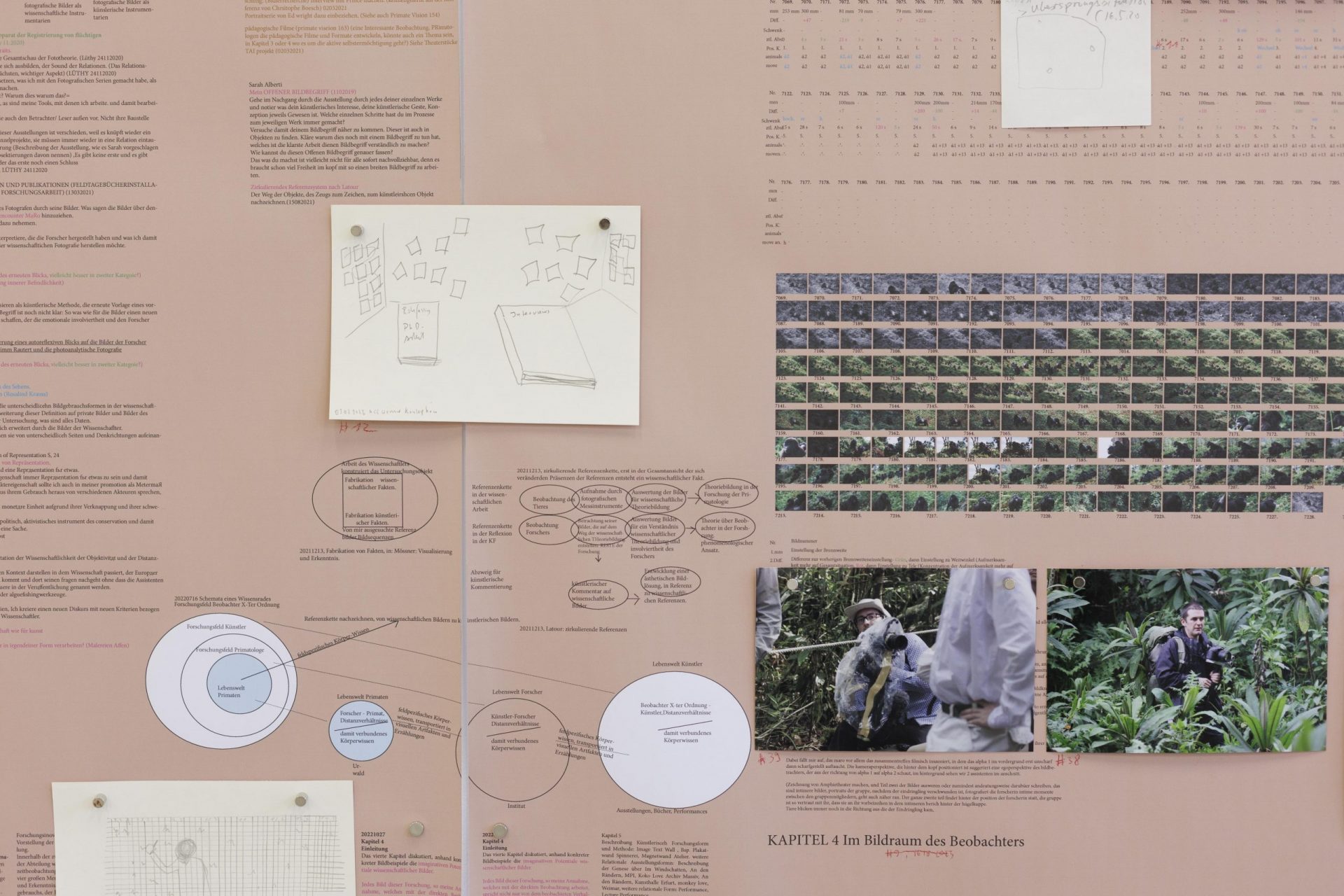
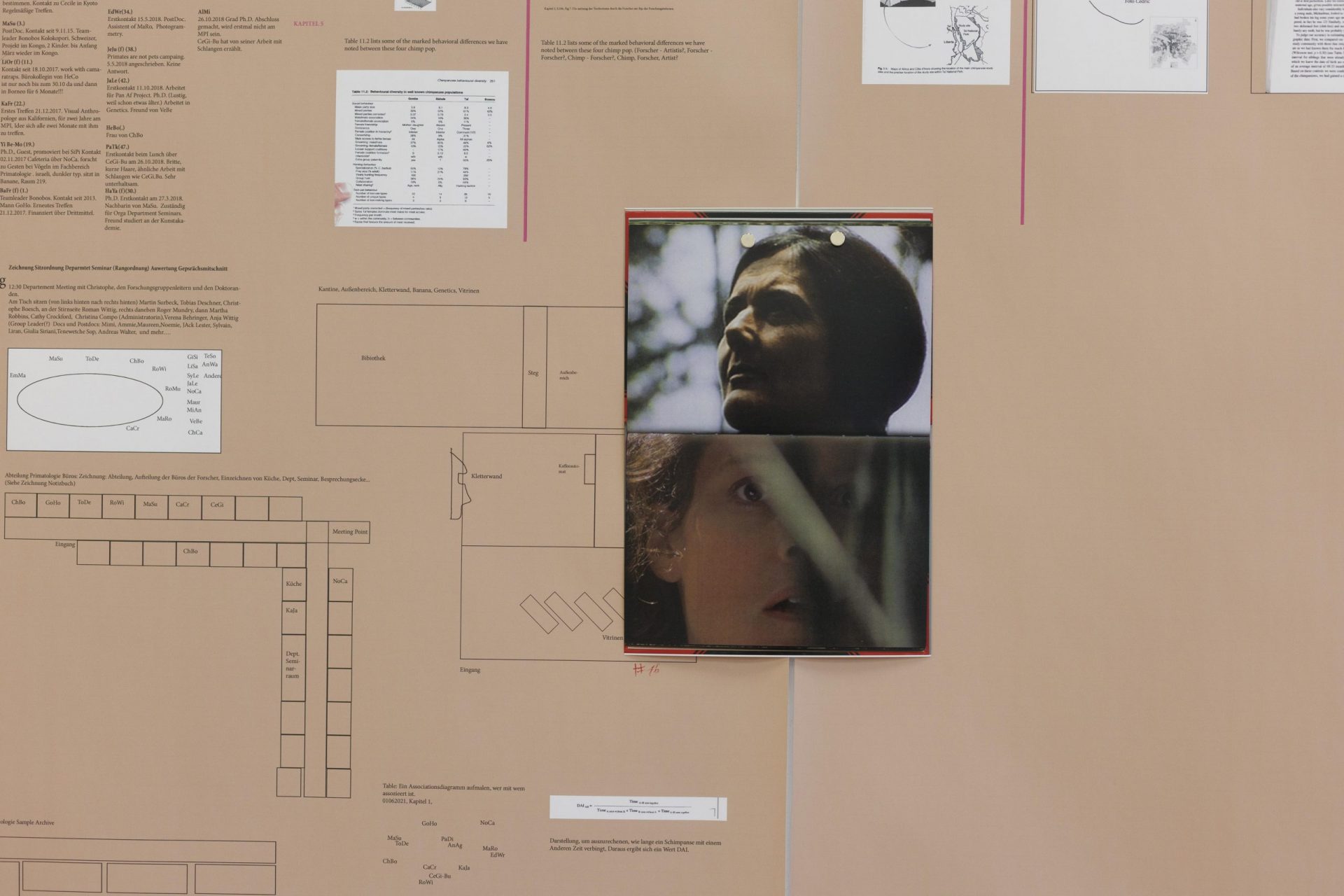
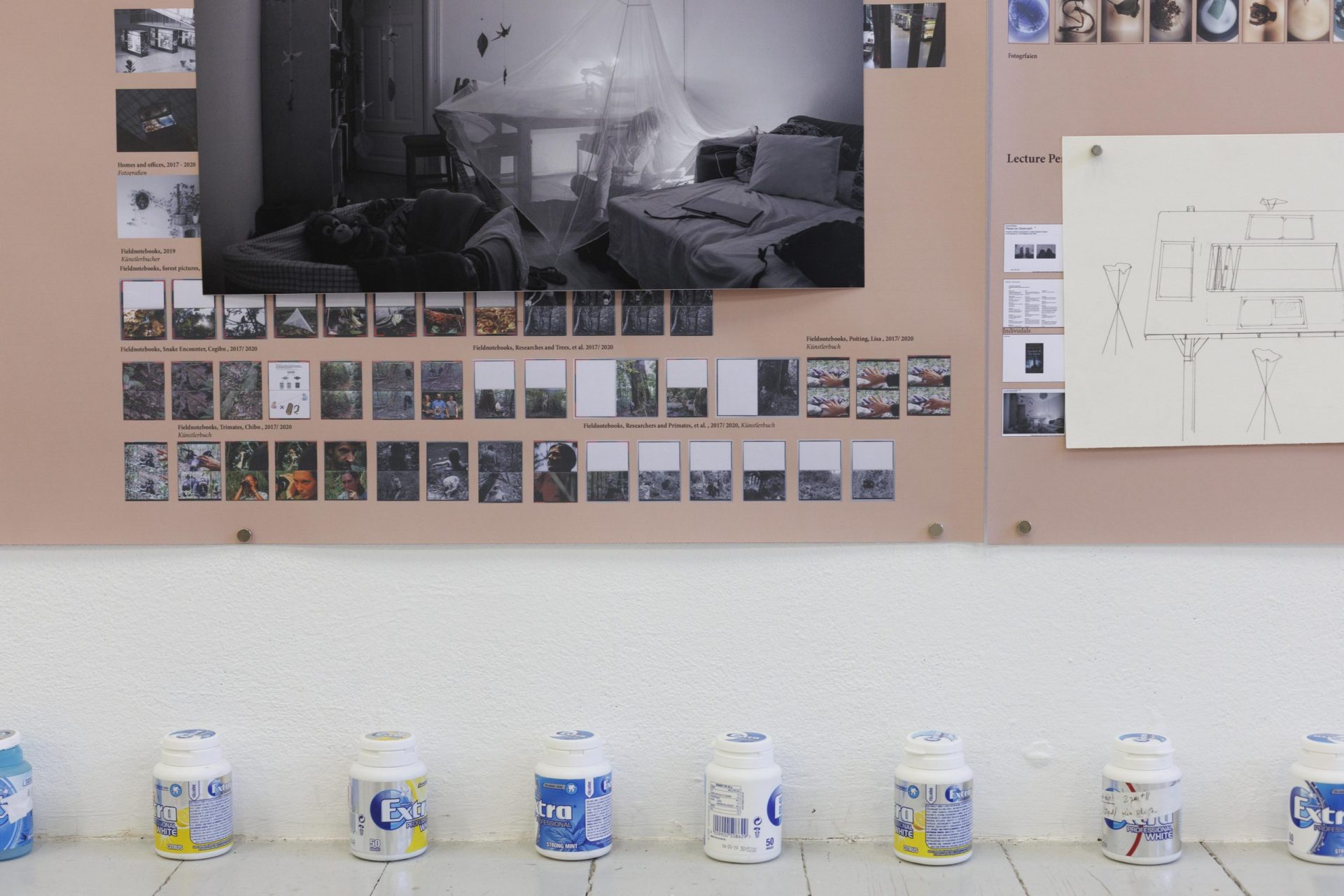
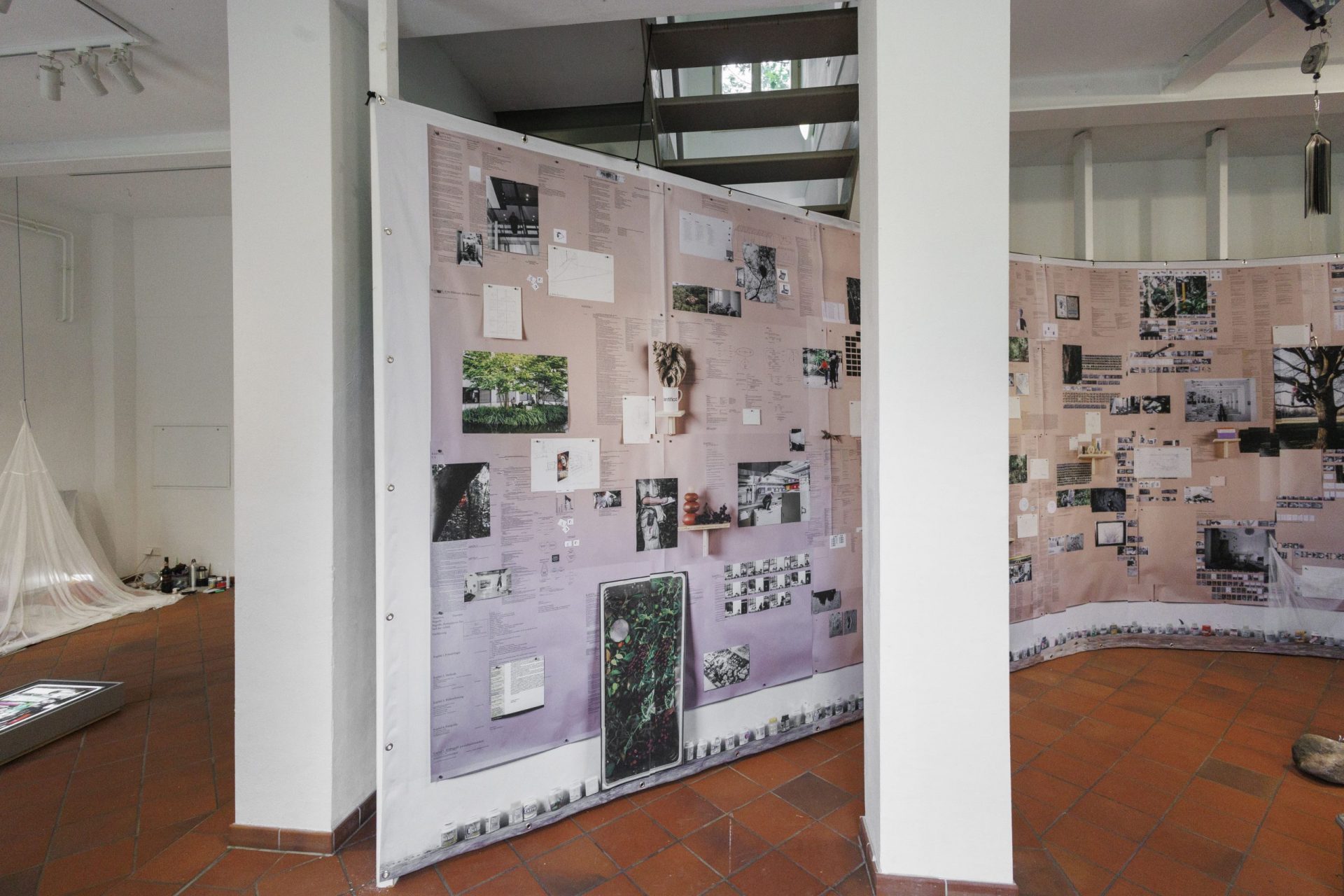
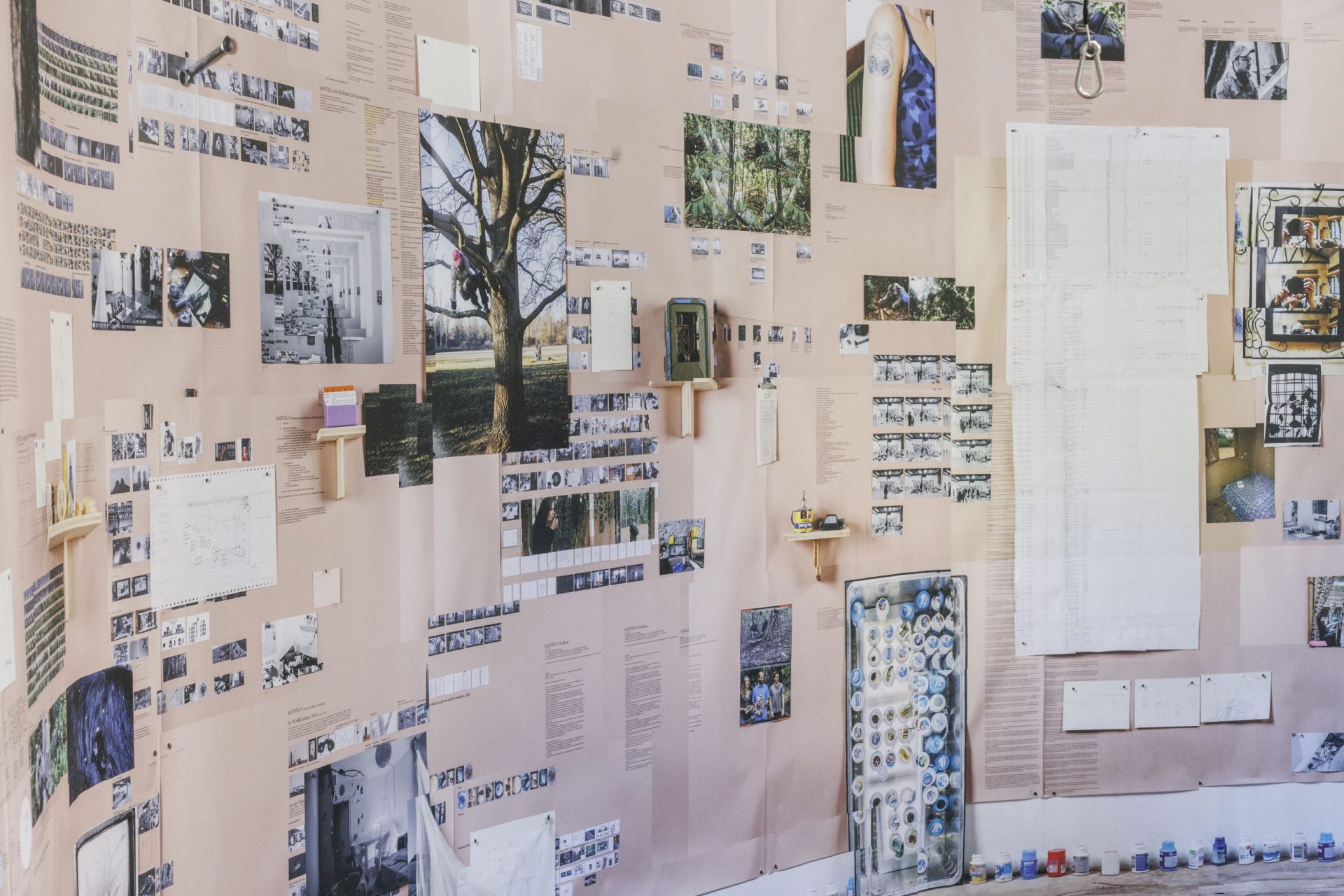
A large photograph shows the huts of the research station. On display are a video, photographs, sketches, found and collected objects—plants, wood, stones, washed-up debris, medication—and along one long wall, rows of chewing-gum containers that a researcher used to secure samples. Spread out on the floor is the diary of another researcher whom Mathias accompanied closely. An entire wall functions as a kaleidoscope of photographs, texts, and fragments in several chapters, addressing various background themes as well as the history of his own artistic work.
A conversation with a Belgian researcher became a key moment. In 2010, Mathias had accompanied a group of stock traders at the Grand Bazaar in Istanbul with his camera. “It was crucial that at some point they forgot my presence.” Later, he discussed this with a Belgian primate researcher, who essentially described the same principle in her work. “That was my key moment.”
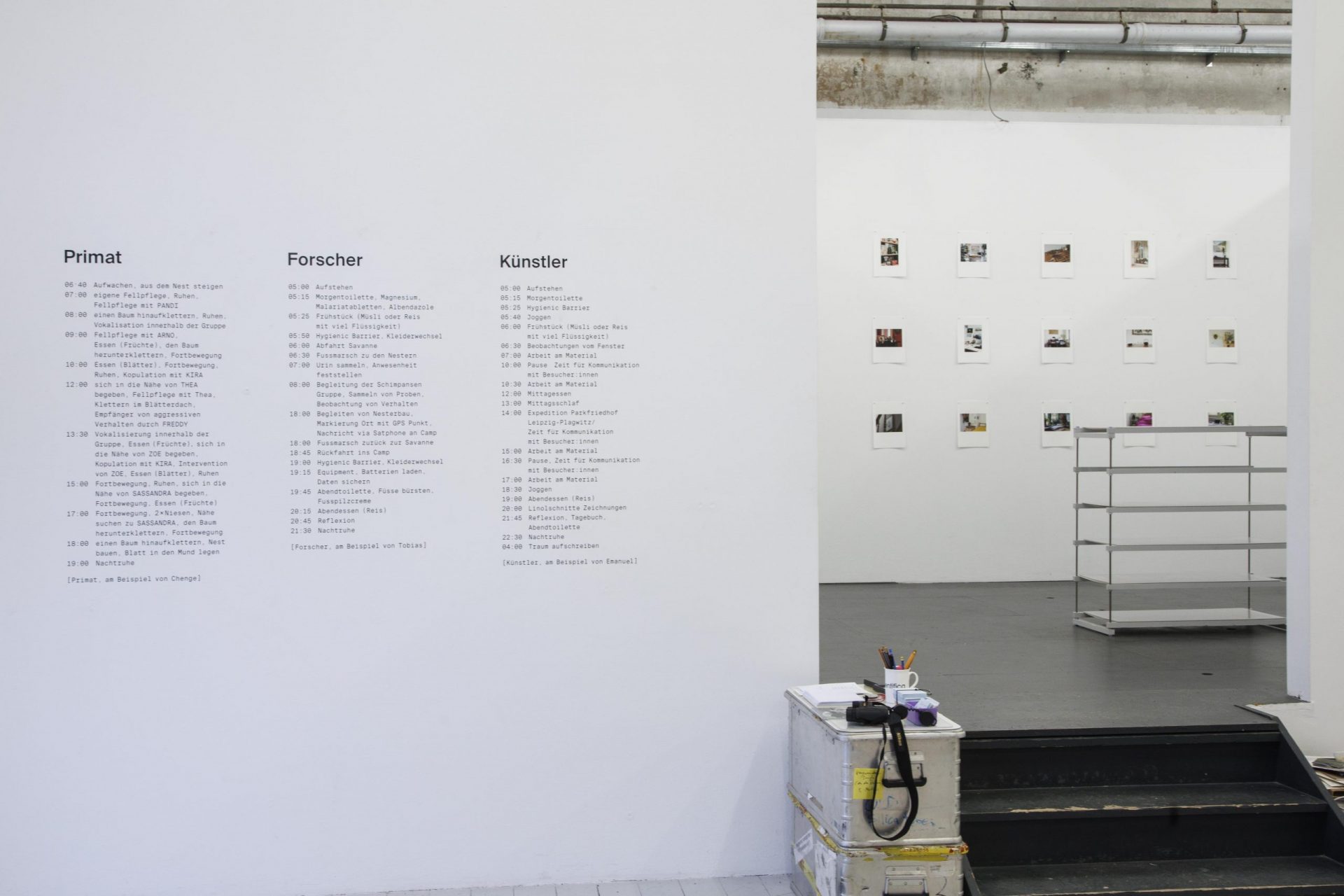
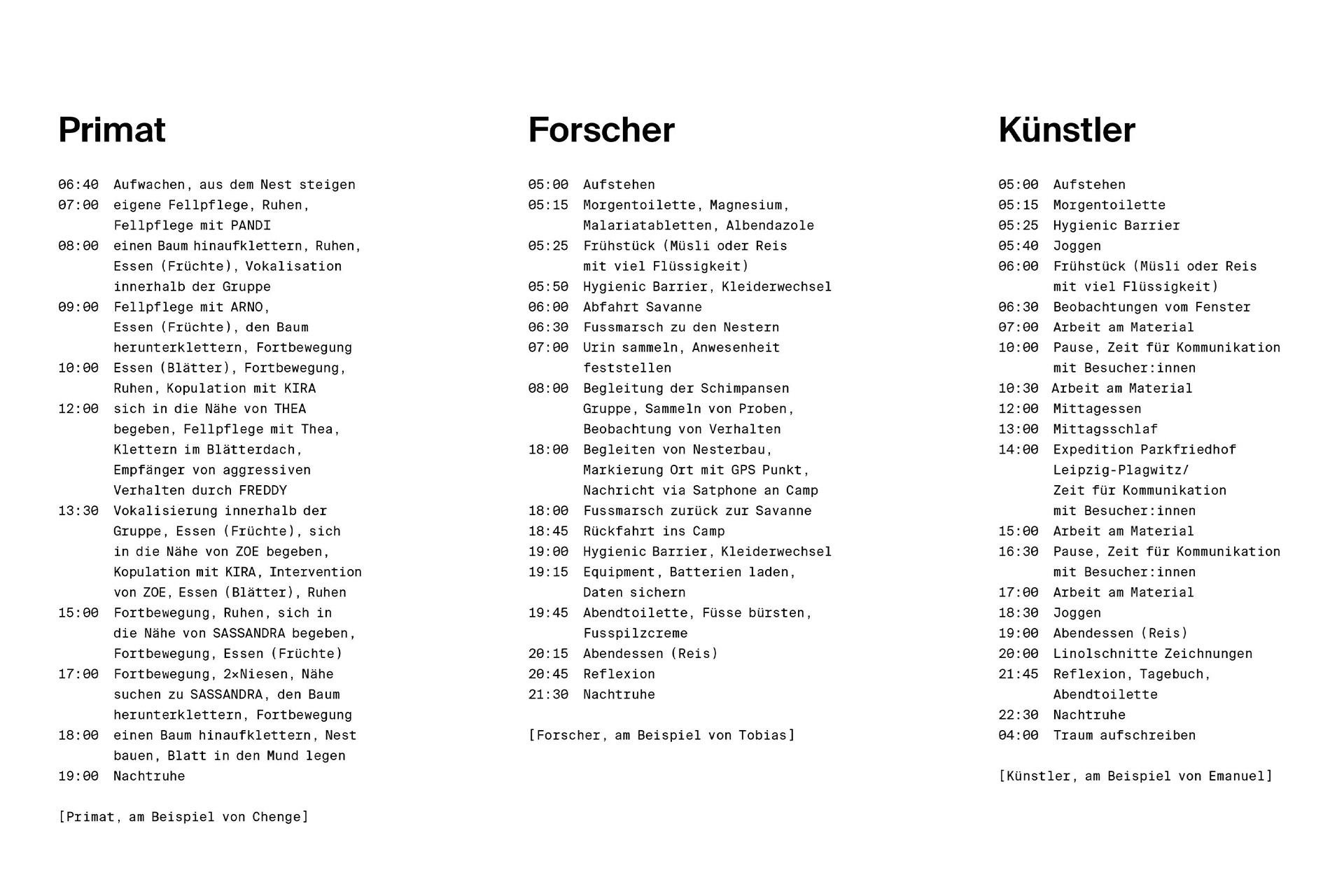
Thus, this exhibition is also about a multiply refracted reflection on artistic and scientific practice—ultimately about humanity’s search for knowledge. “I am impressed by the dedication with which the researchers pursue their work,” says Mathias, whose own consistency is equally compelling. The scientists’ work is a race against disappearance. In about twenty years, they fear, the biotopes in which the chimpanzees they observe still live today may no longer exist. On one wall, Mathias has juxtaposed the typical daily routines of primate, researcher, and artist. The ape’s schedule—with plenty of grooming, eating, resting, and two instances of copulation—does not fare badly by comparison.